
Mike Greenlar: Reinventing the Eye and Evolving Life of a Photographer
A Tuesday morning at Freedom of Espresso, a café’ in Fayetteville, New York, Mike Greenlar walked in with a brown leathered case Sony camera hanging from his neck, less an accessory than an extension of himself. We settled into a corner and talked for over an hour, tracing the arc of his life in photography. What emerged was not just a career, but a story of constant reinvention of a photographer shaped as much by change as by the images he’s made along the way.
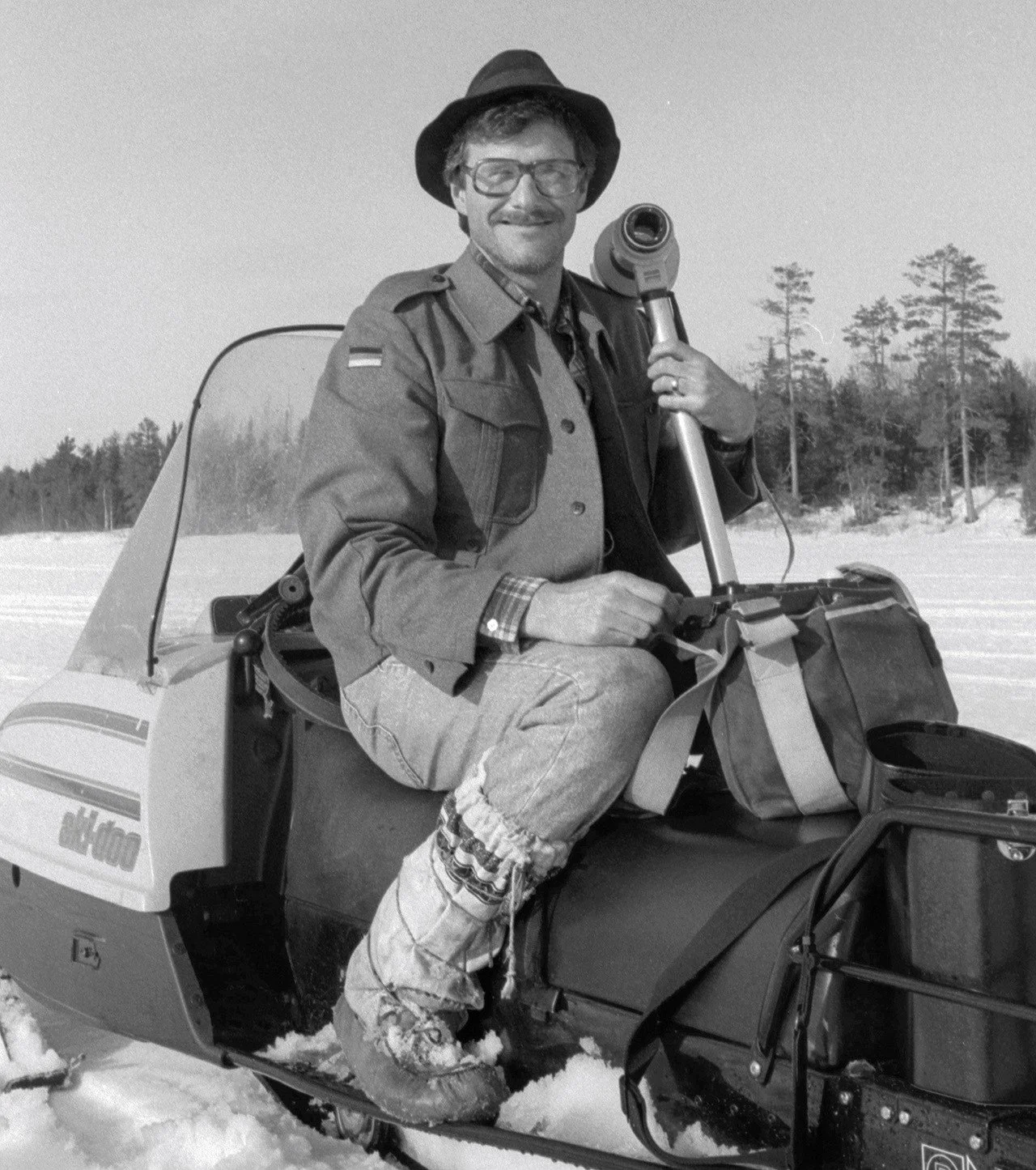
Photo Provided by Mike Greenlar
Photography, at its core, is about seeing but for Mike Greenlar, it has always been just as much about re-seeing. Over the course of a long and varied career, Greenlar has moved fluidly between roles -- newspaper staff photographer, freelancer, documentarian, and now, increasingly, a nature photographer rooted close to home. His journey, a series of reinventions shaped by curiosity, necessity, and a restless desire to keep learning. “I think in this profession, you have to reinvent yourself,” he says plainly. It’s less a philosophy than a survival skill one that has carried him through seismic shifts in both the industry and his own life.
Greenlar’s path into photography began in Rochester, a place synonymous with film and image-making. He worked at Kodak early on, testing materials in a paper mill before pursuing formal education in journalism and sociology. After studying at Monroe Community College and St. John Fisher University, along with time at RIT’s photojournalism workshops, he landed his first job in Peoria, Illinois. It didn’t take long for his trajectory to shift. A position at The Post-Standard in Syracuse brought him into a newsroom environment where he honed his craft alongside talented peers. He learned by watching, by absorbing, by measuring himself against photographers, he admired people like photographer, Seth Resnick and others who pushed the boundaries of the medium. That environment, he recalls, was invaluable. “You find out who’s the best photographer, and then you try to learn from them.” It’s a kind of apprenticeship that shaped his early years one that, he notes, is harder to replicate as a freelancer.
Greenlar left staff work in the mid-1980s, driven not just by ambition but by a growing realization: the stories he wanted to tell required freedom. A pivotal moment came after a trip to South Africa during apartheid. Invited by a minister he had met in Syracuse, Greenlar traveled to witness the realities of life there firsthand. The experience was transformative, but when he returned, the newspaper showed little interest in the work. “That was a strong message,” he says. “This isn’t the place to do those kinds of stories.” Within a year, he left. Freelancing opened doors that newsroom assignments could not. He traveled to Haiti to document the charcoal industry, lived among Algonquin communities in Canada, and pursued long-term documentary projects driven by personal curiosity rather than editorial mandates. These were not always financially rewarding endeavors, some barely broke even but they were creatively essential. “The reason I went freelance is because I could work on long-term stories,” he explains. Still, the freelance life came with uncertainty. Weeks could pass without assignments. Income fluctuated wildly. But Greenlar found stability through corporate and editorial client’s companies like Carrier and Corning and through medical photography work at local hospitals. It was a patchwork career, built on adaptability.
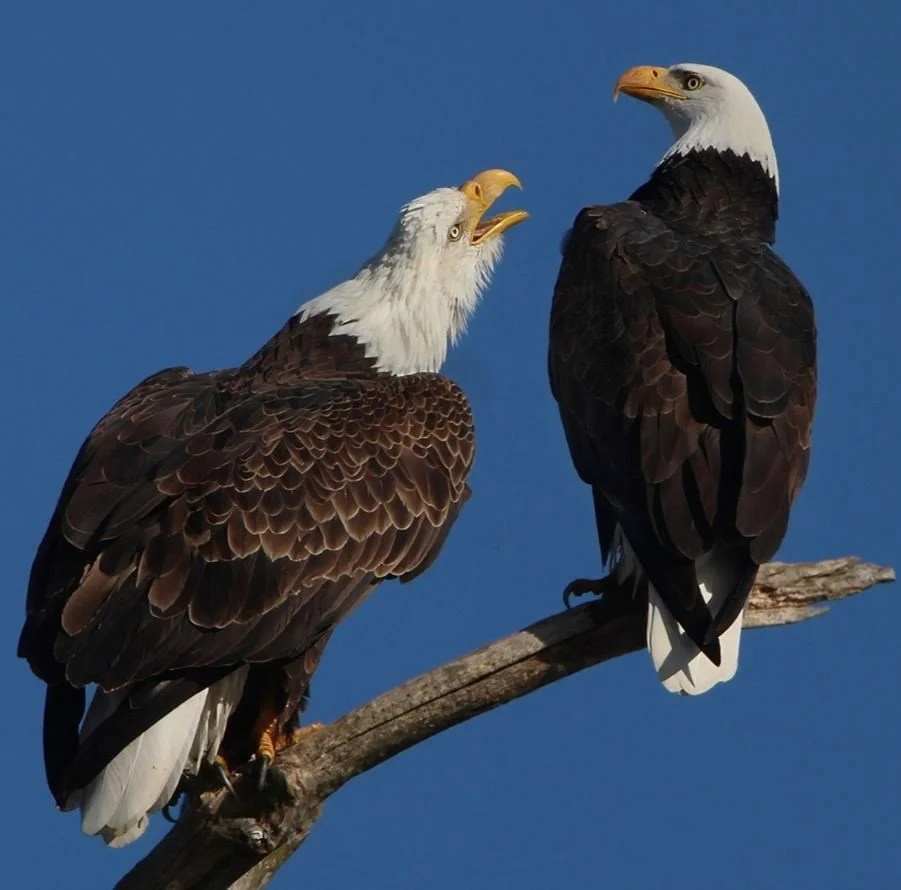
Photo Credit: Mike Greenlar
During the late 1980s and 1990s, magazines offered fertile ground for freelance photographers. Publications like Time, Newsweek, and BusinessWeek needed contributors across the country, and photographers like Greenlar filled that demand. He also worked with agencies such as Black Star and The Image Works, which provided assignments and sold stock photography. Some images found surprising afterlives. One photograph from a Ku Klux Klan rally in North Carolina a father helping his young son into a robe generated thousands of dollars in sales, particularly in Europe. “That picture just sold and sold,” he recalls. But the economics of the industry were shifting. By the early 2000s, digital photography was transforming workflows and costs. Photographers were expected to invest in expensive new equipment without corresponding increases in pay. Magazine day rates stagnated. Competition intensified. When Greenlar heard that Seth Resnick, a photographer he respected, was stepping away from magazine work, he took it as a signal. “I knew that I was done,” he says. He returned to The Post-Standard in 2003, drawn by the opportunity to learn digital workflows within a collaborative environment. It was, in retrospect, a strategic pivot. “It was the right thing to do at the right time.” The transition from film to digital was not just technical it was existential. Many established photographers resisted the change, unwilling to abandon the craft they had mastered. Greenlar saw the consequences firsthand. “I heard from an editor at Black Star,” he says. “All those really good photographers… when that transition came, from film to digital… they weren’t going to have anything to do with it. Every single one of them is out of business.” He adapted instead. Even so, he retains a deep respect for film not just as a medium, but as a teacher. Film slows you down. It forces intention. With only 36 exposures per roll, every frame matters. “It’s the process of light,” he says. “You understand it better.” Digital, by contrast, encourages volume hundreds of frames at a single sporting event. Both have value, but Greenlar believes something is lost when photographers skip the foundational experience of film.
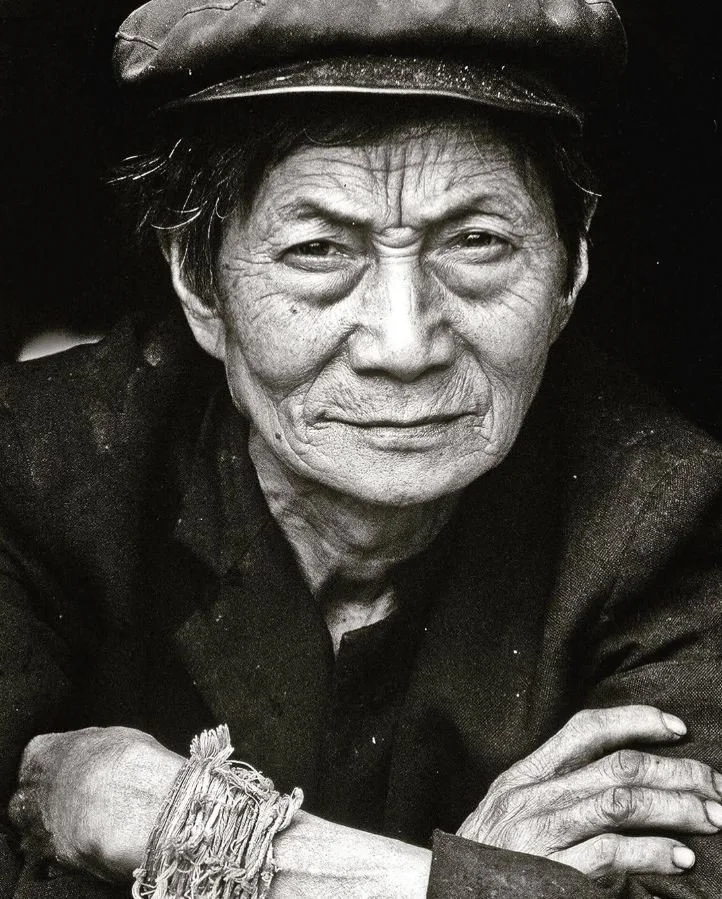
Photo Credit: Mike Greenlar
Like many photographers, Greenlar has navigated an ever-evolving landscape of cameras and lenses. His career spans everything from Nikon film bodies to modern mirrorless systems, from medium-format Hasselblad’s to compact Sony cameras. He speaks with equal parts enthusiasm and skepticism about gear. Yes, technology matters but it doesn’t replace vision. “There was a guy in Haiti who said to me, ‘More equipment, less pictures. Less equipment, more pictures.’ That always stuck with me.” He has embraced tools that suit his current work: long lenses for bird photography, compact cameras for everyday shooting, even smartphone apps that mimic historical processes like tintypes. The goal is not perfection, it’s responsiveness. “Just get the picture, whatever it takes.”
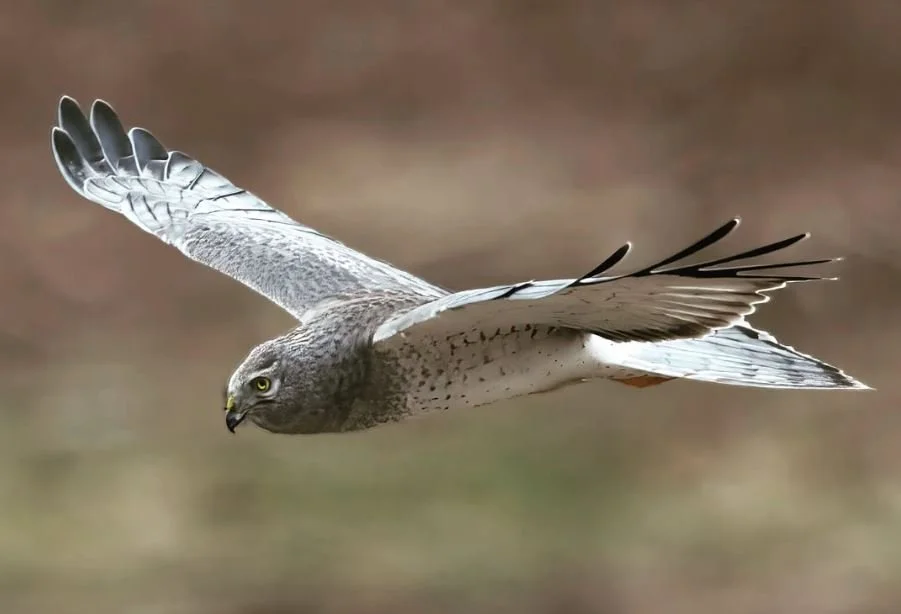
Photo Credit: Mike Greenlar
These days, Greenlar lives just minutes from a creek in Syracuse, where he photographs eagles and other wildlife. Nature photography, he says, is a kind of reset a way to step outside the demands and pressures of editorial work. “It’s cleansing the palate,” he explains. This shift is not a retreat but another reinvention. After decades of documenting human stories, sometimes in difficult or dangerous contexts he explores a quieter form of observation. At the same time, he continues to take assignments for local outlets like Central Current and to revisit his archives. Past and present coexist in his current practice. “I’m working in the past and working in the present,” he says.
Despite his shift toward nature, Greenlar remains deeply committed to long-term documentary work. Projects involving Native American lacrosse, Christian rodeos, and youth sports teams reflect his ongoing interest in community and culture. These projects often extend beyond photography into relationships. Subjects become collaborators, sometimes even friends. The camera becomes less an intrusion and more a bridge. One of his most ambitious projects took him to Laos, where he made ten trips over several years documenting how communities repurposed remnants of war bomb casings turned into tools and everyday objects. The work was logistically challenging and at times frustrating (a damaged camera compromised early rolls of film), but it exemplified his persistence. “It was one of the best projects I ever worked on,” he says.
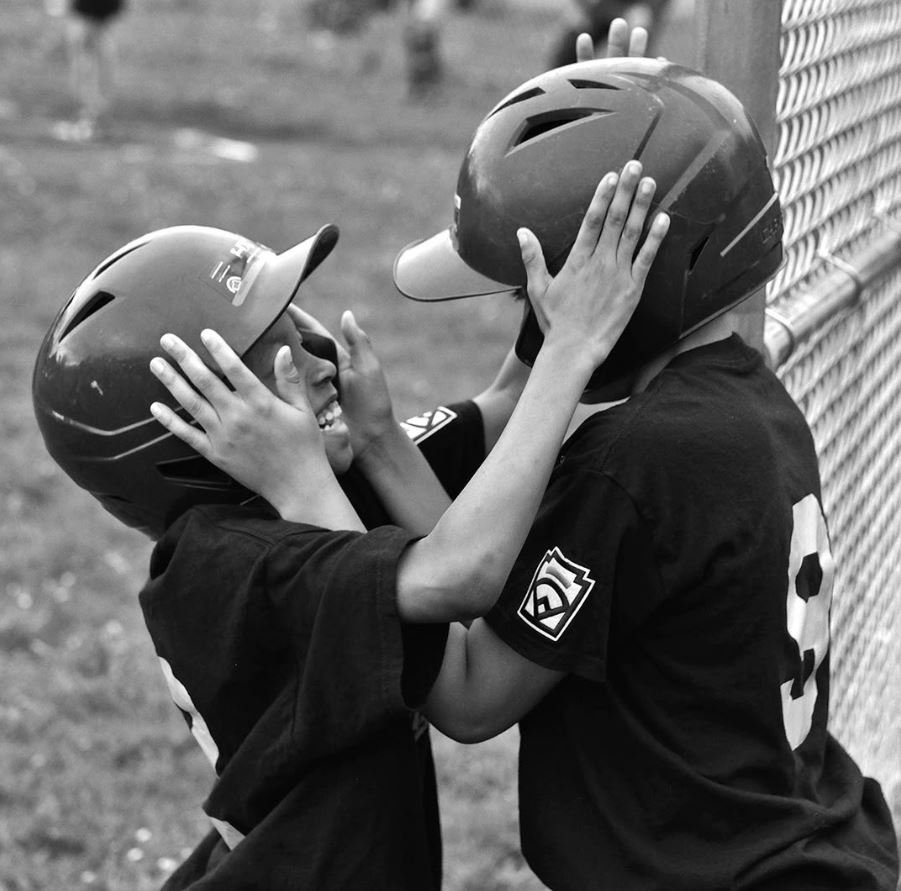
Photo Credit: Mike Greenlar
Greenlar is candid about the current state of photography as an art form. He sees it as a field in flux caught between traditional storytelling and more conceptual, academically driven approaches. “Photography’s in a real tough spot right now,” he says. “A lot of it has been taken over by intellectuals… it’s just not the kind of photography I’m interested in.” Yet he remains active, exhibiting work when opportunities arise and continuing to shoot with the same curiosity that defined his early career. If there is a throughline in Mike Greenlar’s career, it is curiosity the willingness to follow a story, to learn a new tool, to step into unfamiliar territory. Whether photographing political unrest, corporate executives, Indigenous communities, or birds along a creek, he approaches each subject with the same fundamental question: What’s here, and how do I see it clearly? Reinvention, for him, is not about abandoning the past. It’s about building on it layer by layer, experience by experience.