
Ken Zesky: The Art of Bringing Things Back - What was Old is New Again
My interview with Ken Zesky took place in a space that felt less like a workshop and more like a museum dedicated to mechanical history. His shop, what I would call his studio, is where antique radios, classic car parts, well-worn tools, and decades of ongoing projects coexist with family keepsakes and memories. Every shelf, workbench, and corner seemed to tell a story.
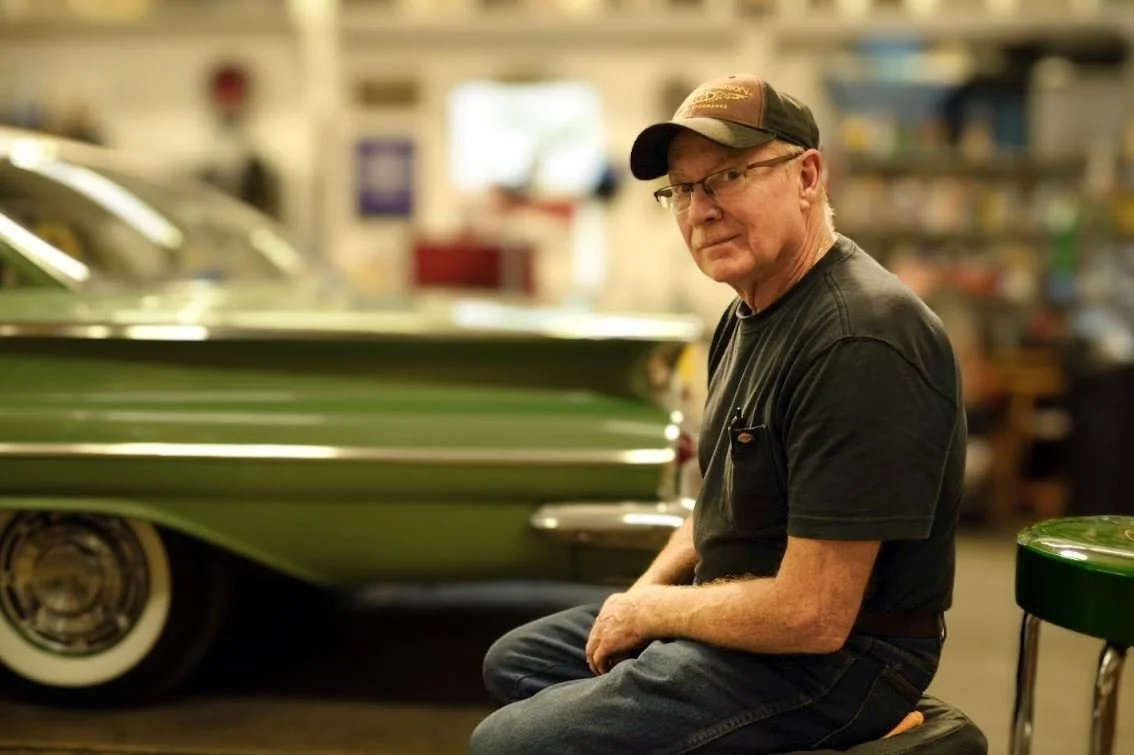
Photo Credit: Hongo David Robertson
Before I even stepped inside the barn, I was greeted by one of Ken’s latest accomplishments: a beautifully restored forest green 1953 Chevrolet 210 Series Two-Door Sedan with Deluxe Trim. The car served as a fitting introduction to the man behind it. Its meticulous restoration reflected the qualities that have shaped much of Ken’s life and work—patience, craftsmanship, ingenuity, and an unwavering commitment to getting things right, regardless of how much time the process demands.
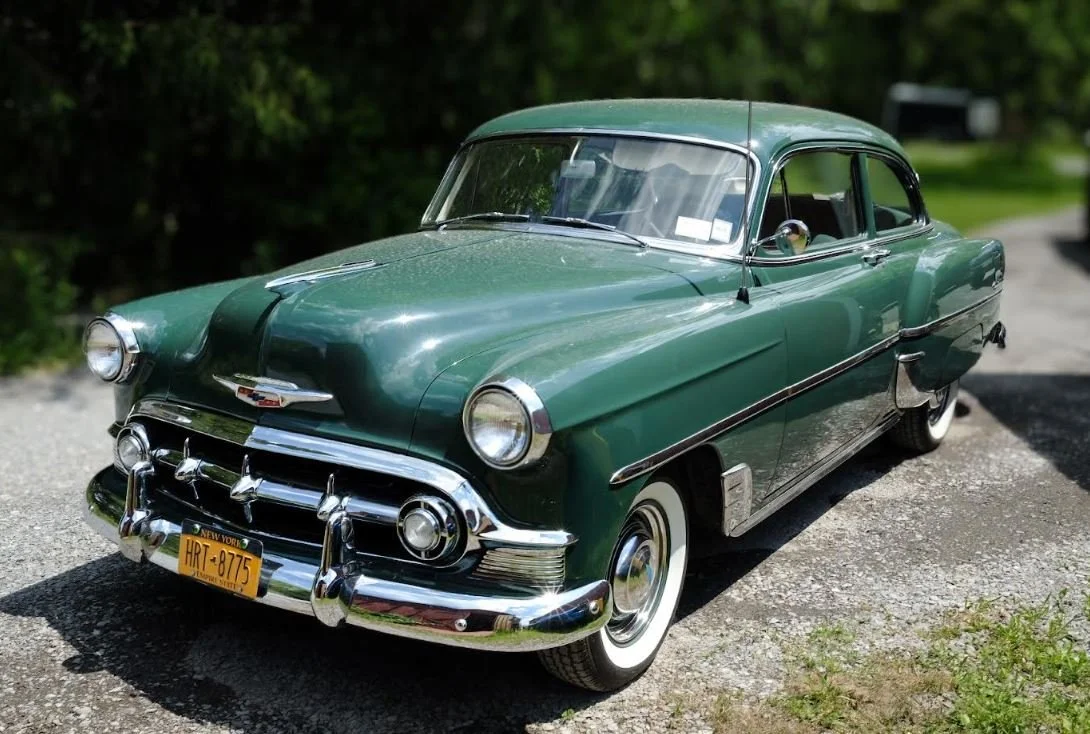
Photo Credit: Hongo David Robertson
Workbenches, crowded with antique radios awaiting restoration, shelves held carefully organized automotive parts, and nearly every corner revealed a project with its own history. Some were decades old, others were works in progress, but all bore the mark of someone who enjoys understanding how things work and finding ways to make them work again. It quickly became clear that while Ken has spent much of his life as an automotive technician and transmission specialist, his true passion extends far beyond repair work. At its heart, his work is about preservation, craftsmanship, and the satisfaction of bringing forgotten machines back to life.
When people think of artists, they often think of painters, sculptors, photographers, or musicians. Ken Zesky would probably never describe himself as an artist. Yet throughout a conversation that moved from childhood drawings to rebuilding antique radios and restoring classic automobiles, a different definition of artistry emerged—one rooted in patience, imagination, craftsmanship, and a deep desire to understand how things work.
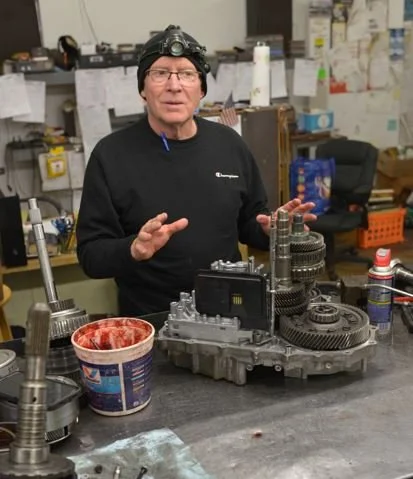
Photo Credit: Hongo David Robertson
“I’ve always been kind of an artist,” Ken said. That tendency showed itself early. Growing up on Bridge Street in East Syracuse, Ken was fascinated by drawing. While most children sketched superheroes or cartoons, he covered his bedroom walls with drawings of plumbing systems and electrical circuits. Using crayons, he drew water pipes, electrical panels, and wiring diagrams across the walls of his room, much to the frustration of his father. Looking back, he laughs at the memory, but it revealed something important about the way his mind worked. “I don’t know why I was drawing that stuff,” he recalled. “That must have been something in my soul.”
That curiosity extended beyond drawing. Any toy, mechanical device, or appliance that found its way into his hands was likely to be taken apart. “I had to see how it worked,” he said. “It was an obsession with me.”
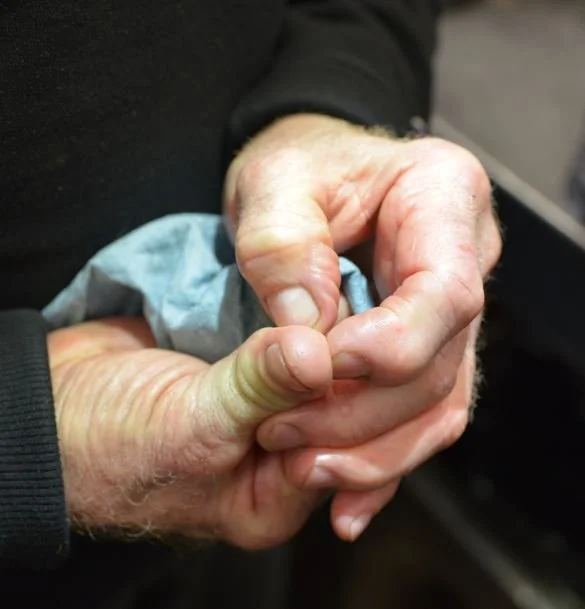
Photo Credit: Hongo David Robertson
For Ken, understanding something meant taking it apart and discovering what made it work. He was less interested in simply owning things than in uncovering the mechanisms hidden beneath the surface. That curiosity followed him through childhood and into his teenage years, when he became known for his cartoon drawings—often humorous, occasionally mischievous, and always imaginative. Although many of those sketches were lost during one of his father's periodic cleaning sprees, the creative impulse never disappeared. It simply found other outlets. Alongside drawing, Ken built models and architectural projects, including a detailed scale house he constructed with friends while still in his early teens.
Certain memories from those years remain vivid. “I remember playing James Taylor’s Sweet Baby James album over and over again,” Ken recalled. “Even now, whenever I hear that record, it takes me right back to that time in my grandfather’s basement.” Like many of the projects and machines he restores today, the music serves as a connection to a particular place and time that continues to hold meaning decades later.
The mechanical side of his creativity began to emerge around the same time. Long before formal automotive training, Ken was building things from whatever materials he could find. One of his earliest projects was a homemade minibike assembled from lawnmower parts, an old bicycle frame, and a small Briggs & Stratton engine. It was not purchased from a catalog or assembled from a kit. It was created piece by piece through experimentation and determination.
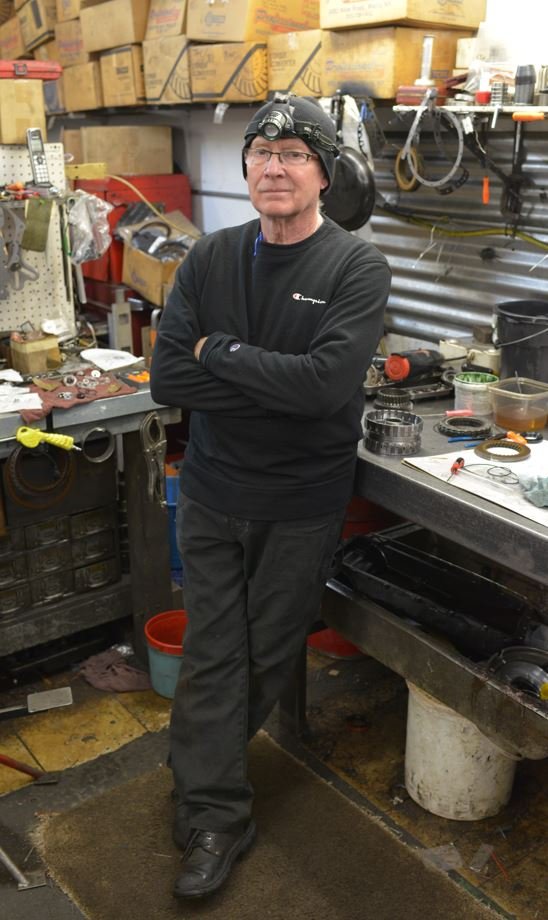
Photo Credit: Hongo David Robertson
Later, he attended BOCES, where he studied machine shop and automotive-related trades. Several instructors recognized his talent and encouraged him. Their faith in his abilities stayed with him long after graduation. Years later, some of those same teachers would become customers, bringing their vehicles to Ken for transmission work.
Yet another teacher left perhaps the deepest impression. In middle school, art teacher Mrs. Lipton recognized something special in the sculptures and projects he created. One abstract piece was selected for exhibition, and she became convinced he had the potential to pursue art professionally. In a gesture that still surprises him decades later, she personally took him to Syracuse University during school hours and introduced him to the university’s art department.
“She begged me to be an artist when I grew up,” he remembered. At the time, he did not fully appreciate the significance of the experience. Looking back, he realizes how extraordinary it was for a teacher to invest that kind of personal effort in a student.
While Ken ultimately chose a career in the automotive trades rather than pursuing art professionally, the creative impulse that had shaped him since childhood never disappeared. Instead, it found a different canvas—automobiles.
One of the best examples sits inside his shop: a 1960 Chevrolet Bel Air that consumed seven years of his life. More than just a restoration project, the car represented a connection to family history. Its lines and styling reminded him of a 1959 Chevrolet Biscayne once owned by his grandfather, a car he remembered from childhood and one that remained firmly rooted in family lore.
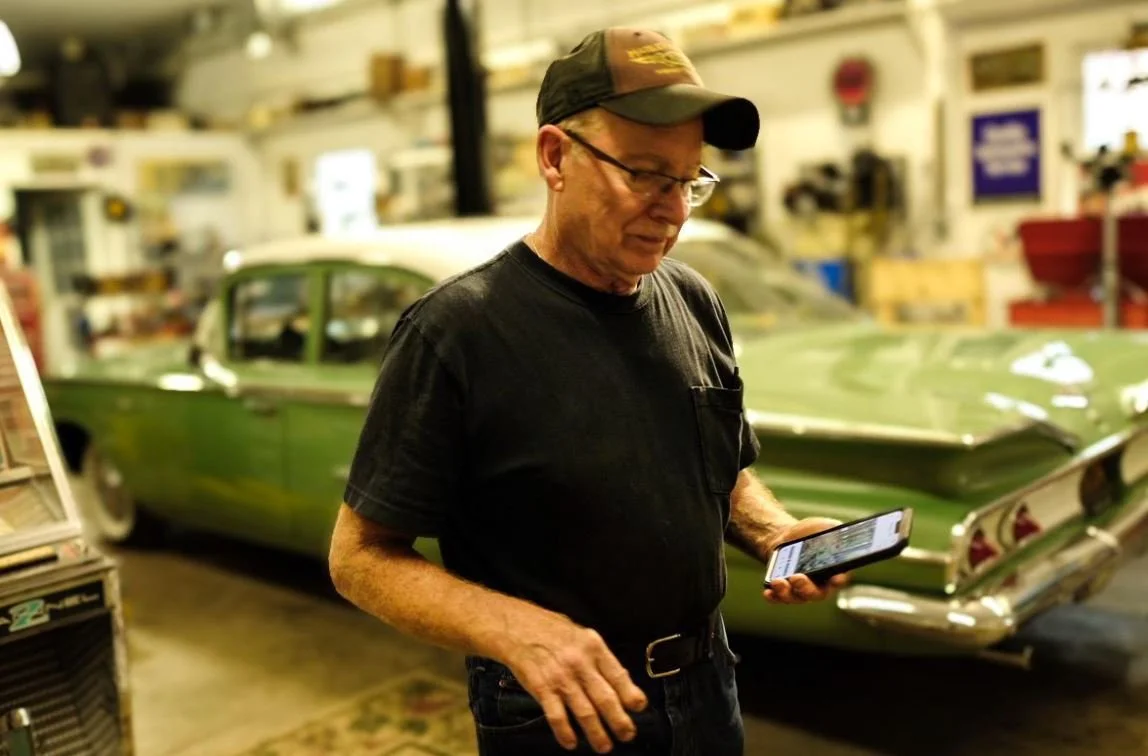
Photo Credit: Hongo David Robertson
When Ken learned of two neglected Chevrolets sitting in a barn near Oswego, he purchased both for $1,000. One would become the foundation for the restoration, while the second served as a valuable source of replacement parts. What followed was a years-long process of bringing a forgotten automobile back from the brink.
The Bel Air had been sitting for decades. The brakes were gone, components throughout the car had rusted away, and the engine had long since fallen silent. Ken tackled the project one system at a time, rebuilding brakes, repairing mechanical components, cleaning ignition parts, and gradually restoring the car to operating condition. Eventually, he got the engine running again and made the decision to drive it home from his business. The trip was anything but conventional. With no usable fuel system, a gas can sat on the front seat with a hose running directly to the engine, while the brakes were only partially functional. It was far from roadworthy by most standards, but it marked an important milestone, the first step in a restoration that would eventually transform a forgotten barn find into the beautiful automobile that now occupies a place of honor in his shop.
The restoration continued piece by piece. He performed all of the paint work himself, rebuilt systems throughout the vehicle, and even modified the audio system in a way that preserved the car’s original appearance while adding modern functionality. The original AM radio remains operational, but hidden components provide access to FM radio, cassettes, and CDs.
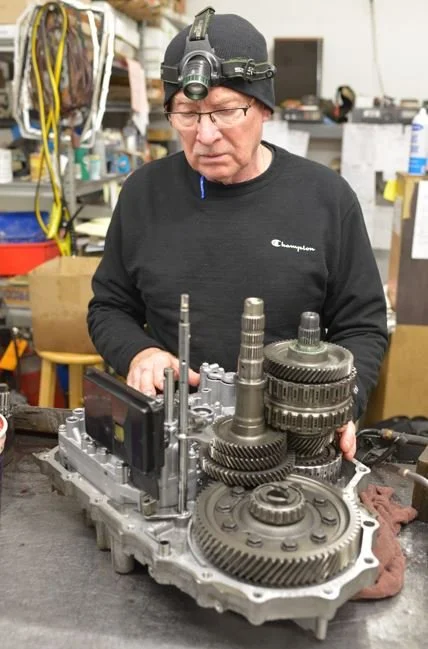
Photo Credit: Hongo David Robertson
For Ken, the challenge is as rewarding as the result. That same mindset explains his fascination with antique radios. Scattered throughout his shop are radios dating back nearly a century. Some arrive silent and heavily corroded. Others are missing components that have not been manufactured in decades. Rather than viewing these obstacles as reasons to quit, Ken sees them as puzzles waiting to be solved.
Many of his repair skills are self-taught. Through years of experimentation, study, and persistence, he learned electronics well enough to rebuild circuitry, diagnose failures, and even manufacture replacement parts when originals can no longer be found. One current project involves a radio from 1931. The challenge became so complex that he had to recreate an oscillator coil by hand. After carefully measuring wire thickness and counting individual windings, he built a replacement component and sealed it to match the original design. Elsewhere in the shop sat capacitors that had been carefully restored to maintain their original appearance while concealing modern replacement components inside. To most people, these details would be invisible. To Ken, authenticity matters.
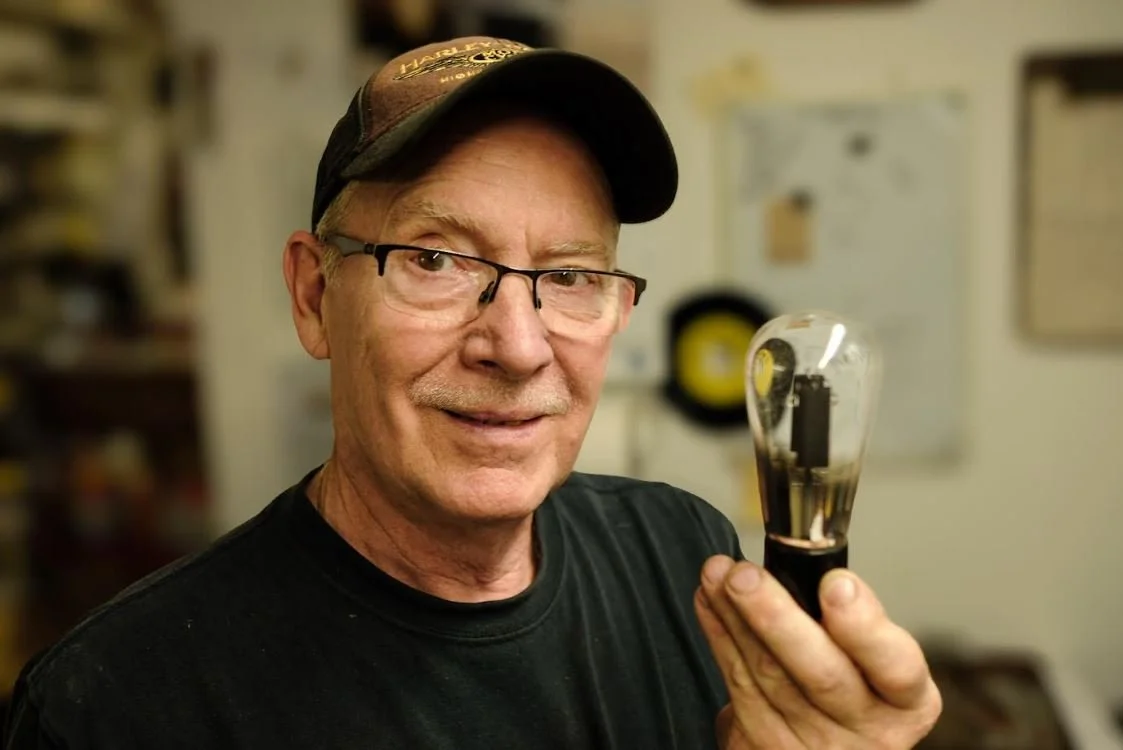
Photo Credit: Hongo David Robertson
His approach reflects a respect for history that extends beyond simple nostalgia. “I like taking something that’s dead and building it again,” he said.
That philosophy may best be illustrated by the story of an engine sitting beneath the hood of his restored Chevrolet. More than forty years ago, Ken acquired a 348-cubic-inch Chevrolet engine for another project. After discovering significant damage caused by years of neglect and rodent infestation, he attempted a rebuild. The effort failed. Frustrated, he abandoned the project. The engine sat for years. Eventually it was moved from a basement to a backyard, where it spent more than a decade exposed to weather. At one point, the heavy engine block was repurposed as a weight to keep a portable basketball hoop from tipping over. Most people would have sent it to a scrapyard. Ken could not.
Years later, memories of his earlier attempt resurfaced. He decided to try again. The engine was taken to a machine shop, repaired, sleeved, machined, and rebuilt. When the day finally came to start it, his granddaughter helped with the process. As the engine fired for the first time after decades of abandonment, Ken remembers thinking, “We raised the dead.” Today that same engine powers the restored Bel Air parked inside his shop.
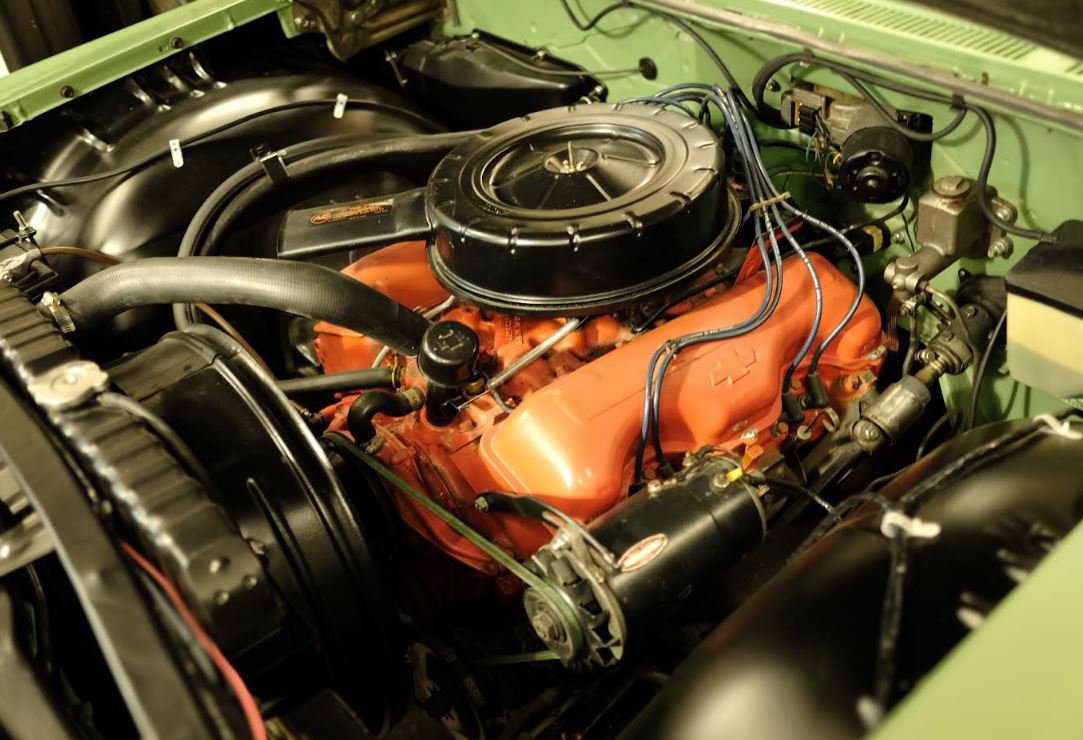
Photo Credit: Hongo David Robertson
Stories like that reveal why it is difficult to categorize Ken’s work. He is certainly a mechanic. He is also an electrician, fabricator, historian, collector, machinist, and restorer. More importantly, he possesses the mindset shared by many artists: the ability to see potential where others see only deterioration.
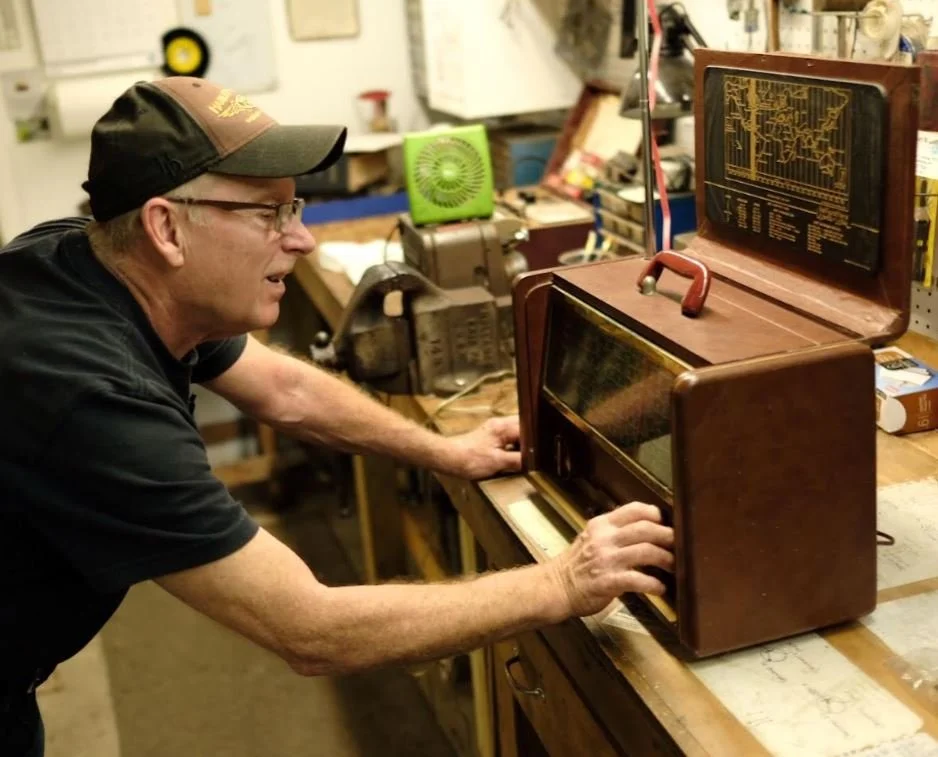
Photo Credit: Hongo David Robertson
Throughout the afternoon, radios crackled to life, stories surfaced from decades past, and project after project revealed itself from shelves and workbenches. Every object carried a history. Every restoration represented hours of problem-solving. By the end of the conversation, it became clear that the cars and radios themselves are only part of the story. The deeper motivation is preservation.
Ken is preserving family memories, mechanical knowledge, craftsmanship, and pieces of history that might otherwise disappear. Whether rebuilding a transmission, restoring a classic Chevrolet, reviving a jukebox, or bringing a silent radio back to life, he approaches each project with the same goal: to make something work again. In an age when broken things are often discarded and replaced, that commitment stands out.
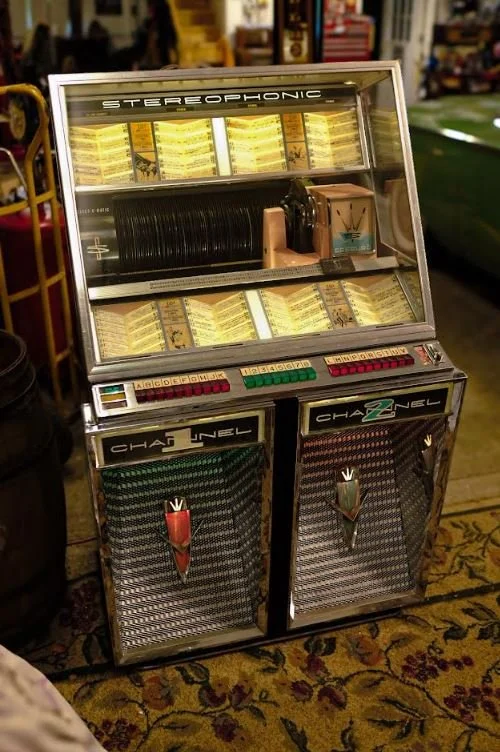
Photo Credit: Hongo David Robertson
His home shop is not simply a workspace. It is a place where forgotten objects are given another chance, where old technology remains relevant, and where the satisfaction comes not from acquiring something new, but from understanding, repairing, and preserving what already exists.
That may not be the traditional definition of art. But after spending an afternoon with Ken Zesky, it is difficult to call it anything else.