
Joe Whiting: Six Decades of Music, Work, and Staying True to the Song
For more than sixty years, Joe Whiting has been a familiar presence on stages throughout Central New York. Singer, saxophonist, bandleader, songwriter, and performer, he has built a career that has endured changing musical tastes, shifting audiences, and the inevitable passage of time. Yet speaking with Whiting in his studio, surrounded by instruments, recording equipment, and decades of memories, one quickly discovers that longevity has never been his primary goal. His focus has always been much simpler, “play good music, treat people well, and keep learning”.
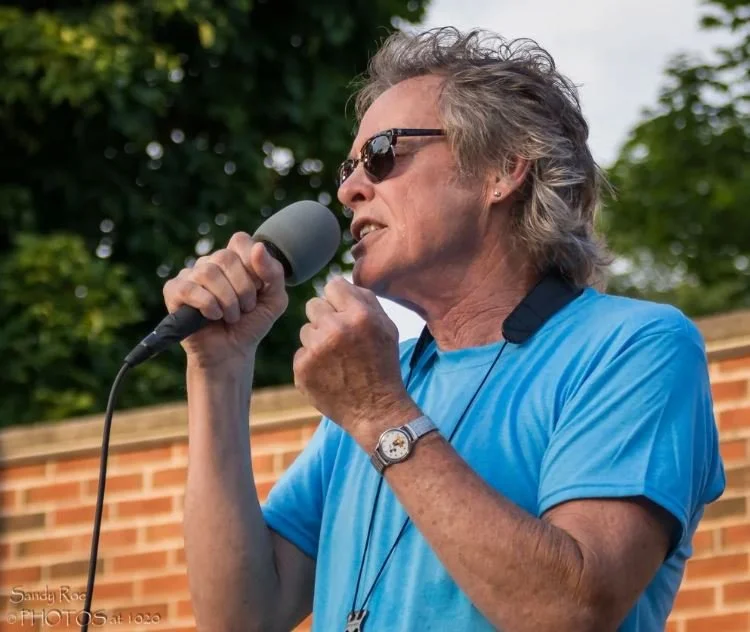
Photo Credit: Sandy Roe
Whiting’s story begins in Norwich, New York, where he was born while his father attended college in nearby Delhi after returning from World War II. Though Norwich is listed on his birth certificate, he considers Skaneateles his true hometown. His family roots run deep there. His paternal grandparents were from the area, his father was born at home in Skaneateles, and the family returned when Whiting was still a small child.
“I’ve been here since I was probably three years old,” he recalls. “My roots have been here literally all my life.”
Growing up in the 1950s and early 1960s, Whiting discovered music long before the British Invasion transformed popular culture. Instrumental rock acts such as Duane Eddy, Bill Black’s Combo, and The Dean Brothers caught his attention. Like many teenagers, he was drawn to the excitement and attention musicians seemed to receive.
Originally, he intended to become a drummer. Plans were made to travel to Auburn for drum lessons. Then a friend offered an observation that changed the course of his life. “With a mouth like that, you should be a saxophone player,” the friend joked. Whiting laughed, agreed, and began taking saxophone lessons instead. It proved to be one of the most consequential decisions of his life. He was fourteen years old.

Photo Credit: Sandy Roe
The saxophone became his primary instrument, although he freely admits he never approached it from an academic perspective. While many musicians immersed themselves in theory and sight reading, Whiting was interested in songs. He wanted to understand structure, chords, and performance. The technical side of music held little appeal. “I just wanted to learn the songs,” he says. That practical approach would define much of his career. Though he took lessons, Whiting considers himself largely self-taught. He learned by listening, performing, and spending countless hours on stage.
After graduating from high school, he briefly attended what was then Auburn Community College. College was never a passion. In truth, he enrolled largely because the Vietnam-era draft loomed over young men of his generation. His college experience was short-lived. Academic probation followed, and he found himself facing the possibility of military service. Like many young Americans during the late 1960s, he wrestled with uncertainty about what came next.
Then an unexpected medical exemption changed everything. A physician reviewing his records found documentation noting mild bronchial asthma. The diagnosis was enough to disqualify him from military service. Whiting still remembers the relief of leaving the induction center that day knowing he would not be sent to Vietnam. “It was like walking in there with no plan and walking out thinking, ‘Holy shit.’”
With the draft no longer hanging over him, music became his focus. At the time, he was performing with a group called Free Will, alongside longtime friend Mark Doyle and several other local musicians. They were serious about building a career, and Whiting threw himself fully into the work. What followed was a life spent almost entirely in music.

Photo Credit: Sandy Roe
Over the years he performed with numerous bands, including stints with Elf and rock-and-roll pioneer Bobby Comstock. Yet unlike many musicians who rely solely on performance income, Whiting also worked alongside his father in construction.
Around 1977, during a slower period in his musical career, his father needed help on a large addition project. Whiting joined him, expecting the work to be temporary. Instead, music became busier than ever. Rather than leaving construction behind, he continued doing both. For years he worked approximately thirty-two hours each week as a carpenter’s apprentice while simultaneously performing more than 150 shows annually. It was a demanding schedule that required balancing work, music, marriage, and family. Yet he enjoyed it. “I never had a problem with work,” he says. That work ethic continues to shape his outlook today.
Whiting met his wife in 1974, and the couple has now been together for more than fifty years. They married in 1981 and raised a daughter, whom he adopted from his wife’s previous marriage. Today he also enjoys watching his granddaughter grow into adulthood. When she expressed interest in learning music, Whiting responded the way many supportive grandparents might. He bought her an electric guitar and amplifier. Whether she ultimately pursues music remains to be seen. “If it’s meant to be, good. And if it’s not, that’s okay too.” Family has always remained central to his life, even while performing occupied much of his time.
Throughout the conversation, Whiting repeatedly returns to the importance of perspective. He speaks openly about mistakes, temptations, and lessons learned along the way. His memoir, Saxophones, Microphones, and Buried Bones, addresses many of those experiences directly. Unlike some music memoirs filled with tales of excess and scandal, Whiting’s story is comparatively grounded. He acknowledges youthful experimentation, including marijuana use during his younger years, but hard drugs never appealed to him. One experience with cocaine in the mid-1980s convinced him it was not for him. Shortly after trying it, he became violently ill. “I thought, this is a sign,” he recalls. He never touched it again.
Today, at seventy-eight years old, Whiting believes avoiding destructive habits has contributed significantly to his longevity as a performer. He rarely smoked, never developed serious substance-abuse problems, and continues to monitor his health carefully.
What surprises him most is that his voice remains strong. Many singers lose range and endurance with age. Whiting believes his voice has actually improved in certain respects. “My lower range has improved. My higher range has improved,” he says. He describes his voice not necessarily as extraordinary, but as durable.
That durability allows him to continue performing regularly throughout Central New York. A typical week might include appearances with his own band, community festivals, celebration-of-life gatherings, orchestra performances, and local music events. Even now, retirement holds little appeal. He insists he will stop only when performing ceases to be enjoyable or when he can clearly hear a decline in his abilities. Until then, the stage remains home.
Yet Whiting is careful not to define himself solely by music. He remembers a conversation with fellow musician Charlie Bertini, a world-class trumpet player who suffered a stroke. When Bertini worried that losing some of his playing ability would diminish who he was, Whiting offered a different perspective. “The trumpet doesn’t define who you are,” he told him. “It’s just part of what you do.”
The same philosophy applies to Whiting himself. When asked whether the Joe Whiting on stage differs from the Joe Whiting sitting in conversation, he answers without hesitation. “No, they’re not two different people.” The confidence he displays while performing does not come from adopting a persona. Rather, it reflects comfort developed through decades of experience.
“Performing is easy for me at this stage,” he says. “When the bell rings, I know what to do.” Offstage, he values connection just as much as performance. He enjoys talking with audiences, fellow musicians, and community members. While he admits he was more reserved when he was younger, age has brought perspective and confidence.
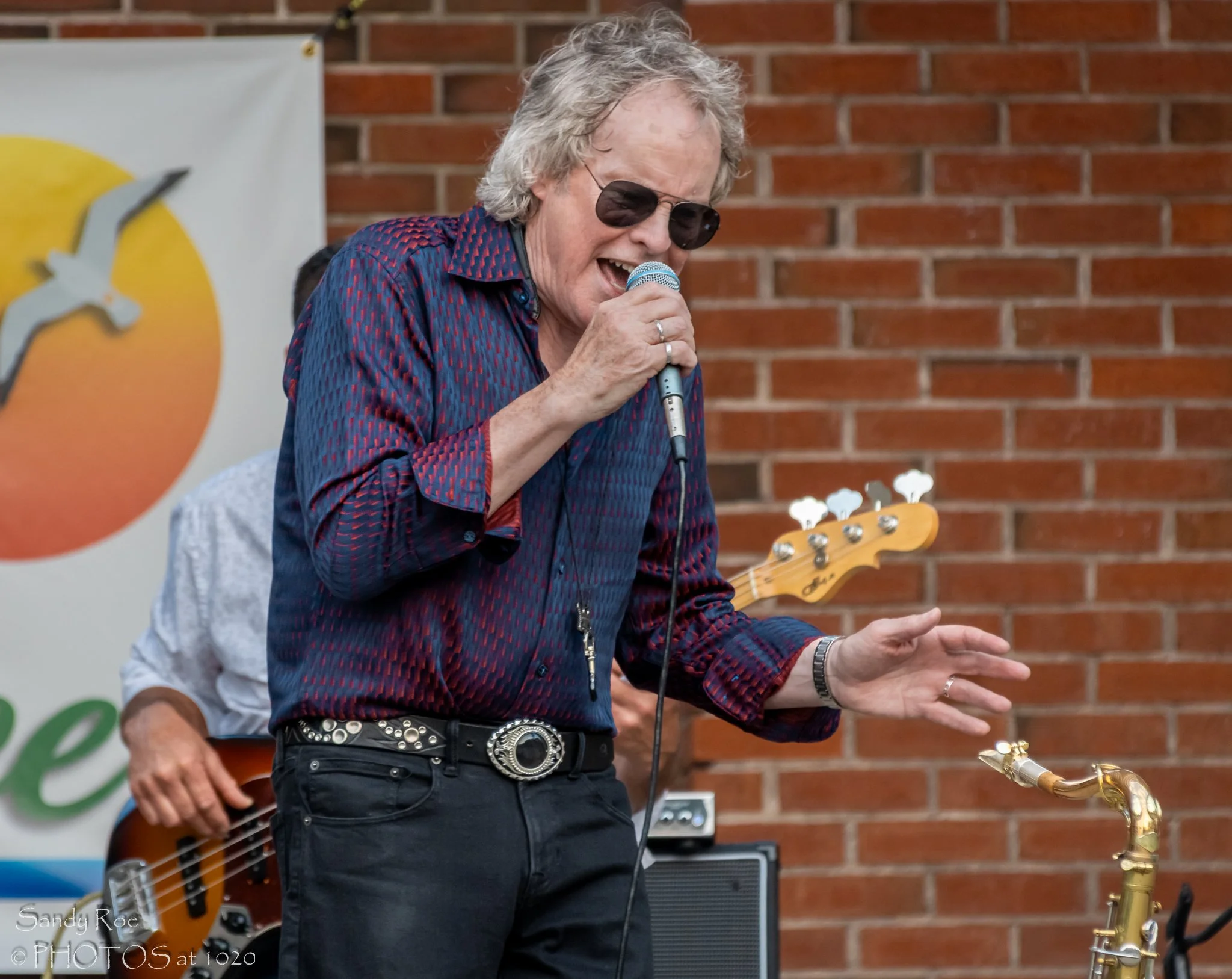
Photo Credit: Sandy Roe
That perspective extends to how he measures success. Whiting has watched countless performers chase fame, commercial success, and industry recognition. While he would certainly have welcomed a hit record, he does not dwell on what never happened. Instead, he considers himself fortunate. “I’ve literally done everything except have a hit record,” he says.
More importantly, he believes accomplishments matter less than character. One of his favorite stories involves legendary bandleader Count Basie. Asked how he wished to be remembered, Basie reportedly answered simply: “As a good guy.” The response made a lasting impression.
At the end of life, Whiting believes people will not remember how many songs were played or how many gigs were booked. “They’re going to care if you were a good person.” It is a remarkably consistent theme throughout his life and career.
Whether discussing family, fellow musicians, audiences, or business relationships, he repeatedly returns to respect, professionalism, and kindness. He becomes visibly frustrated when describing poor communication or lack of follow-through in professional settings, not because of inconvenience, but because he believes people should honor their commitments. “Do something and follow through with it,” he says.
That philosophy has carried him through six decades in a difficult industry. Today, Whiting continues to perform because he genuinely loves music. Not just one style, but many styles. Blues, rock, swing, jazz, big-band standards, singer-songwriters, and the Great American Songbook all remain sources of inspiration. As a teenager, Frank Sinatra meant little to him. Today he considers Sinatra the gold standard among male vocalists.
His appreciation for music has only deepened with age. The same can be said for life itself.
Whiting understands the realities of aging. He has witnessed idols remain on stage long after their abilities faded. He has no interest in following that path. When the time comes, he plans to step aside with dignity. Until then, however, there is still music to play. There are still audiences to entertain, songs to sing, and stories to tell.
After more than sixty years of performing, Joe Whiting remains grateful for every opportunity. His outlook is refreshingly uncomplicated. Every day is a gift. Treat people well. Do your work professionally. Keep learning. Enjoy the music. For Joe Whiting, that has been enough to build a life.
For more information, you can check out Joe Whiting at: www.joewhitingmusic.com
Or his Facebook Page: Joe Whiting or Joe Whiting Band
Phone: (315) 685-5684
Email: joe@joewhitingmusic.com