
Anita Welych: Living Art and Leading with Vision at the Kirkland Art Center
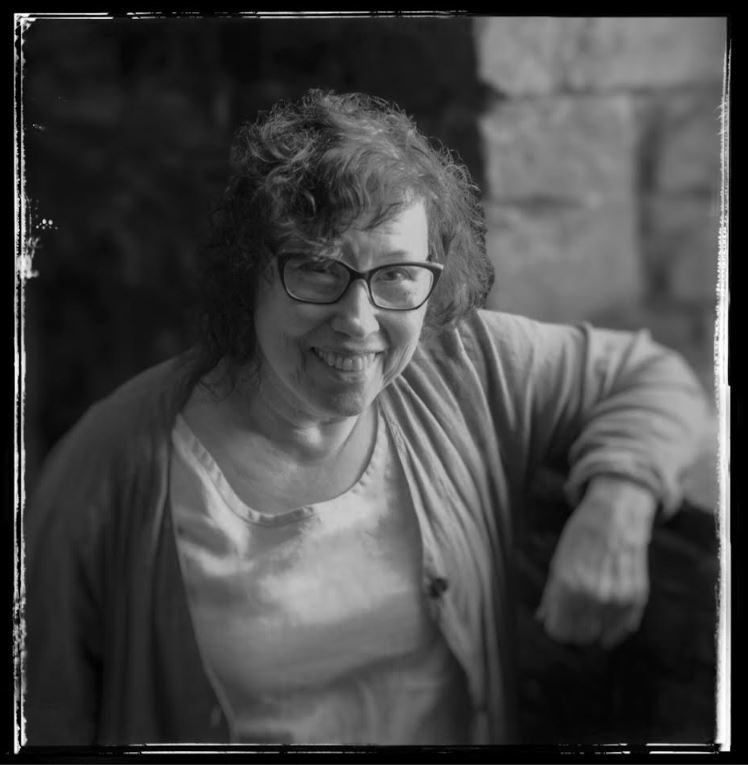
Photo Credit: HonGo David Robertson
The Kirkland Art Center in Clinton, New York, occupies one of Clinton's most recognizable historic buildings. Constructed in 1840 as the village's Methodist Episcopal Church, the building served its congregation for more than a century before finding a second life in the arts. The Kirkland Art Center, founded in 1960 and originally housed above the Kirkland Town Library, purchased the former church in 1966 after quickly outgrowing its original quarters. Today, the restored church, adjoining barn, and connecting studios form a vibrant community arts campus, where nearly two centuries after its construction, the building continues to bring people together, now through creativity, education, and cultural exchange rather than worship.
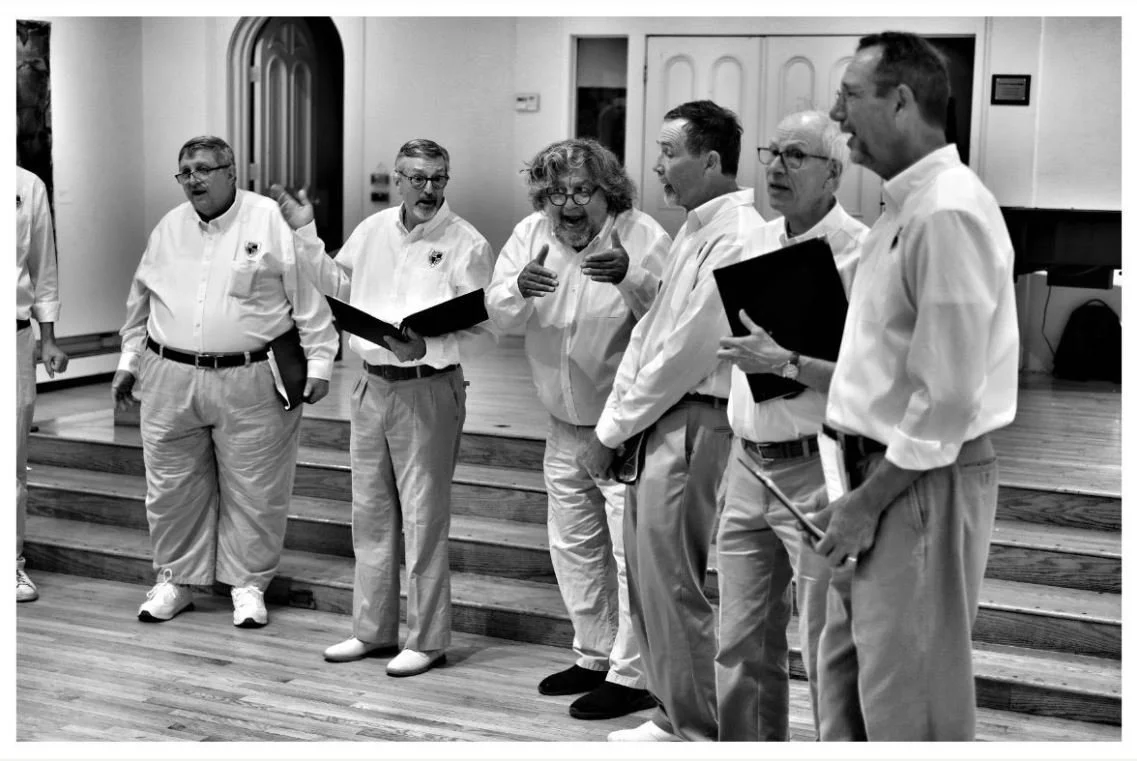
Photo Credit: HonGo David Robertson
I arrived at the Kirkland Art Center on a sunny late-spring Saturday afternoon, just in time to hear The Buffers, a local men's choir, finish their final song before an audience of about thirty people. Their voices filled the sanctuary of the former Methodist church, that today serves as one of Central New York's oldest community arts centers. As applause faded, visitors drifted through the galleries while others chatted on the lawn outside. It was an ordinary Saturday at the Kirkland Art Center, where music, exhibitions, classes, and conversation regularly bring people together beneath the same roof that once welcomed a congregation nearly two centuries ago. The setting provided an ideal backdrop for meeting Executive Director and artist Anita Welych, whose own work is deeply rooted in community, memory, and the search for meaning.
Anita Welych, Executive Director of the Kirkland Art Center, wears many hats. She may even tell you “too many”. Anita is an artist, educator, curator, administrator, grant writer, and, perhaps above all, a thoughtful observer of the world around her. Before we ever discussed her artwork, our conversation turned to the value of documenting artists and preserving their stories. She immediately understood what I was trying to accomplish through my interviews.
She encouraged me to think beyond simply publishing articles online. Grants, exhibitions, and even a book, she suggested, could help preserve the history of Central New York's creative community. She described the project as an archive, a record of a particular place and time that would become increasingly valuable as years passed. It was an encouraging way to begin our conversation.
Welych's own life story spans continents and cultures. She was born and raised in Syracuse, the daughter of a Ukrainian father and a Colombian mother. Her father survived World War II after being liberated from a concentration camp. Believing his family had been killed, he eventually made his way through displaced persons camps before settling in Syracuse, where relatives sponsored his immigration. Her mother had emigrated from Colombia, and together they built their life in Central New York.
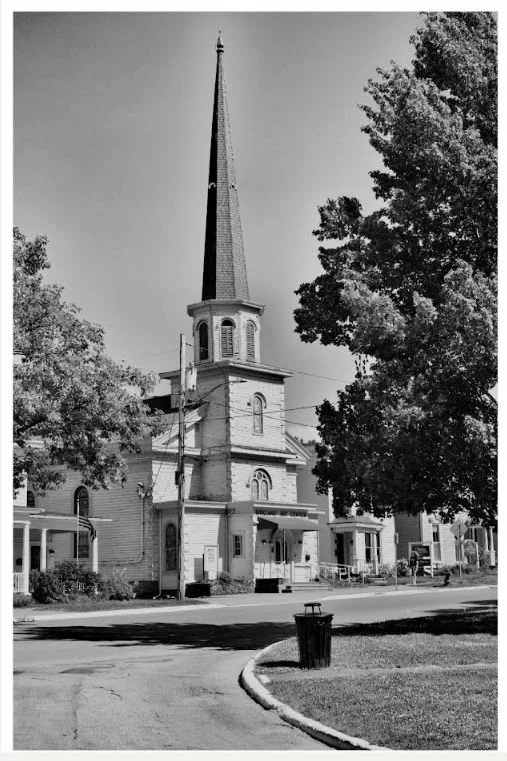
Photo Credit: HonGo David Robertson
After attending Cornell University, Welych received a Fulbright scholarship that allowed her to study in Colombia. While many students sought placements in England, she intentionally chose Colombia because its extraordinary diversity of landscapes appealed to her interests as a young painter. That decision shaped much of her artistic life. She remained in Colombia for nearly six years. During that time, she studied, painted, worked, and immersed herself in the country's culture. She also experienced its political unrest firsthand. While studying at the National University, she found herself fleeing a protest that turned violent when military forces arrived. “People were killed that day”. Experience left a lasting impression and became one of many events that deepened her understanding of society and human experience.
Eventually, she returned to the United States to pursue graduate studies at Syracuse University. After earning her degree, she joined the faculty at Cazenovia College, where she taught for thirty-two years. In the 1990s, she was awarded a second Fulbright, returning to Colombia as a visiting professor. Years later, a former student reached out to her through social media to share that her mentorship had profoundly shaped his life and inspired his work as a community activist. For any educator, it was the kind of unexpected message that affirms a lifetime of teaching.
Listening to Welych describe her artistic development, it became clear that her work has never remained still for very long. She began as a landscape painter, but those paintings gradually became more abstract. Symbols and visual languages replaced literal representations of scenery. Eventually those symbolic works evolved into collages and mixed-media installations that explored deeply personal experiences.
She explained that early in her career she sought “universal messages through abstraction”. Over time she realized those broad ideas often became too general to say anything meaningful. Instead, she discovered that the more personal her work became, the more people connected with it. Much of that work centered on women's experiences. After becoming a wife and mother, domestic life naturally entered her art. Household objects became powerful symbols. Vintage aprons, hand-embroidered linens, wooden spoons, cigarette cases, and other everyday items carried histories of labor, family, and memory.
One installation filled a gallery with vintage aprons hanging from clotheslines. Hidden within the pockets were handmade artist books containing quotations from women she knew or remembered. Some humorous observations passed down through generations. Others reflected the realities of balancing work, motherhood, and maintaining a household. The ordinary objects themselves became part of the artwork's meaning.
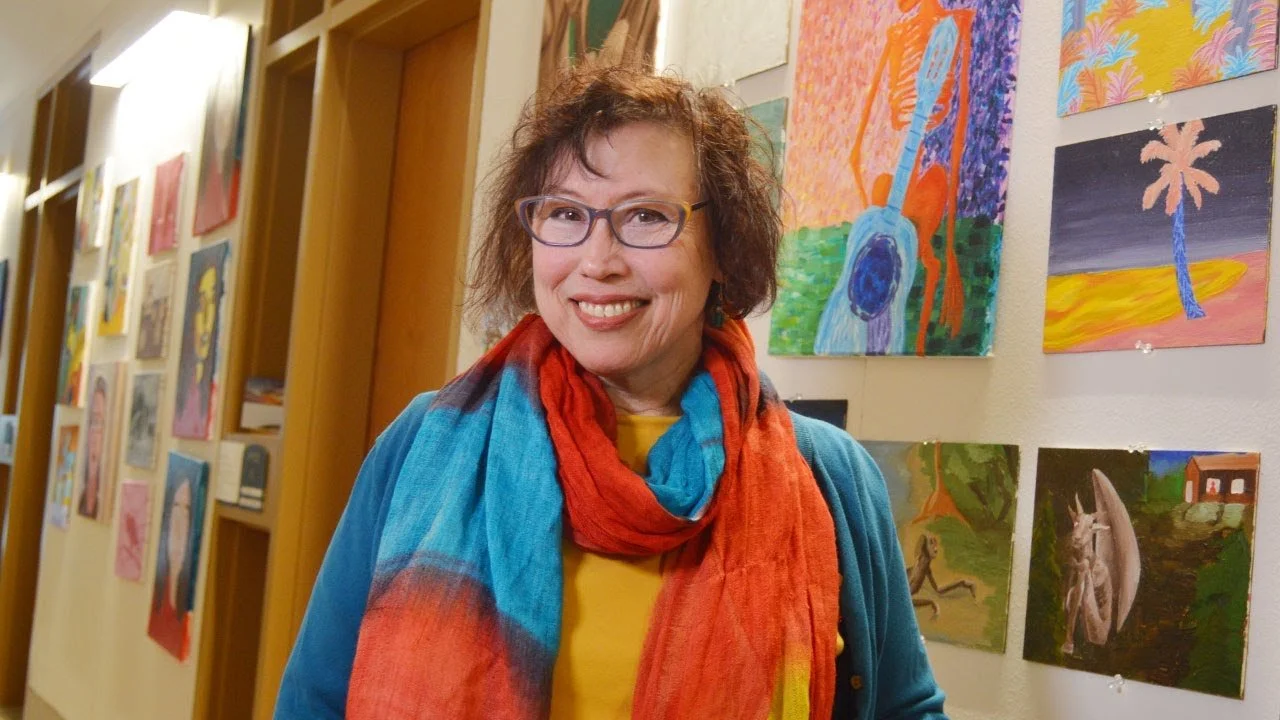
Photo provided by Anita Welych
Another installation grew from a box of antique handkerchiefs she had purchased at auction. Wondering why people use handkerchiefs, she quickly arrived at a simple answer: people cry. That question led her to collect stories from friends, relatives, students, and acquaintances about moments in their lives when they had cried. The stories ranged from lighthearted memories to profound grief.
Rather than having each participant narrate his or her own experience, Welych asked different people to read the stories anonymously. Visitors entered a room constructed from illuminated handkerchiefs while recordings of these anonymous voices filled the space. Silhouettes embedded within the fabric hinted at the stories without fully revealing them. The installation invited viewers to recognize that everyone carries memories of sorrow, even if those experiences differ dramatically.
Throughout our conversation I noticed a consistent thread running through her work. She repeatedly transforms intangible emotions into physical objects.
An idea becomes a book.
Grief becomes a room made of handkerchiefs.
A mother's personality becomes a handmade pillow.
When I mentioned this observation, she agreed that perhaps she is always trying to make invisible thoughts visible.
Photo Credit: HonGo David Robertson
Her series of pillows for mothers illustrates that approach perfectly. She asked people to describe their mothers using a word or short phrase. One person answered simply, "ice." Welych created a pillow covered with shimmering fabric but filled it with hard plastic bottle caps so that it rattled rather than comforted. Another pillow incorporated the painful contradictions of a student whose mother struggled with addiction but was still deeply loved and missed. Every material choice carried meaning.
Her work changed again following the death of her father. While spending long hours at Cornell's Lab of Ornithology as her young son attended a nearby summer camp, she found herself surrounded by the study of birds while reflecting on personal loss. The experience sparked one of the most significant transitions of her career. She began constructing birdhouses for extinct birds.
The idea was intentionally impossible. A birdhouse serves no purpose if its intended inhabitants no longer exist. For Welych, that absurdity became a meditation on loss, memory, and humanity's failure to protect the natural world.
Soon afterward, she won a BirdNote-sponsored trip to Texas during peak spring migration. Watching thousands of birds move through one of North America's great migration corridors, she became acutely aware that many familiar species were quietly disappearing, not extinct, but declining at alarming rates. Years before widespread public attention focused on the collapse of bird populations, Welych immersed herself in government surveys, scientific studies, and decades of population data, determined to understand what was happening and how she might translate those findings into art.
Her artwork shifted once again. Instead of exploring personal memory alone, she began examining environmental loss. One of her largest projects resembles a giant “infographic translated into fine art”. Two maps compare bird populations separated by decades. Thousands of carefully printed birds illustrate dramatic declines among sixteen species. Accompanying collages identify each bird and its percentage of decline. Years of research went into understanding raw population data and converting those numbers into meaningful visual language. She laughed while telling me that shortly after completing the project, major conservation organizations released reports documenting the same alarming population declines she had already incorporated into her artwork.
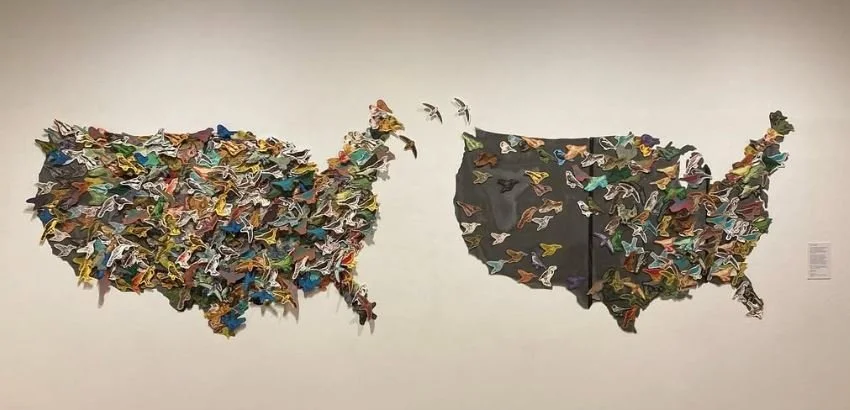
Photo provided by Anita Welych. Anita’s 2024 Made in New York at Schweinfurth Art Center, “Dwindle”
Another series translates birdsong into visual compositions. Using spectrograms generated from bird recordings, she transforms the sounds into colorful abstract forms. The colors, shapes, and arrangements are carefully considered, reflecting characteristics of each species, its habitat, and even the quality of its song. Although viewers may first appreciate the beauty of the compositions, science quietly underlies every decision.
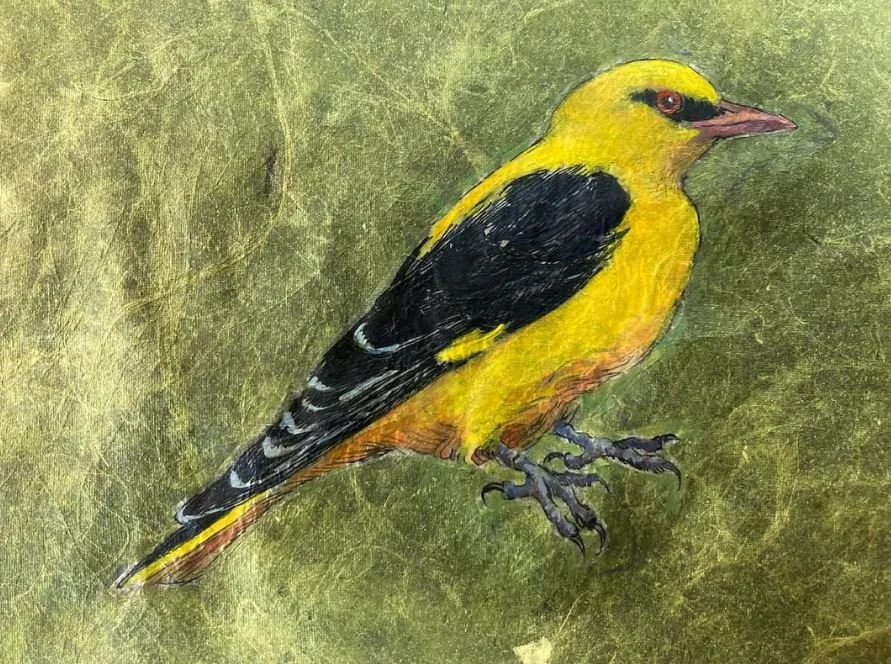
Photo provided by Anita Welych. Anita’s Ink and Acrylic sketch on Brazilian handmade paper. Eurasian Golden Oriole
When I asked where she finds inspiration, Welych resisted offering a simple answer. She doesn't actively search for ideas. Instead, ideas linger in the background until they demand attention. Questions stay with her for years, slowly developing before becoming artworks. She keeps sketchbooks filled less with drawings than with notes and fragments of ideas waiting for the right moment. Some projects require years before they are fully realized.
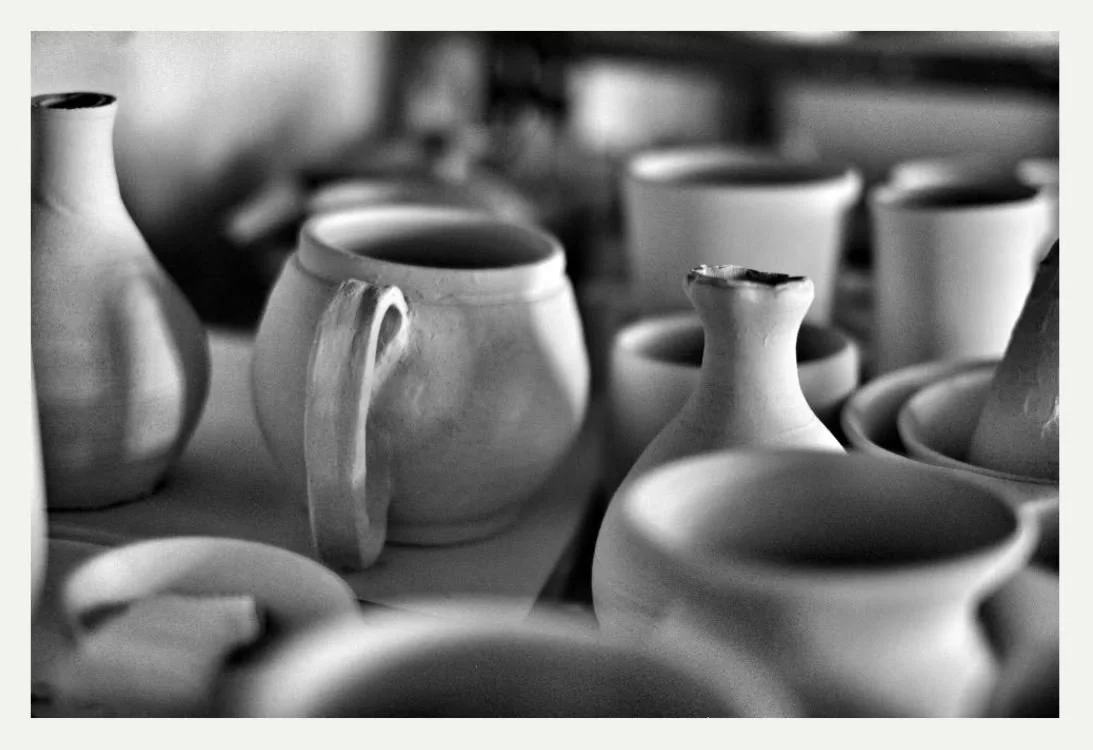
Photo Credit: HonGo David Robertson
Our conversation eventually shifted from her personal artwork to her current role as Executive Director of the Kirkland Art Center. Although she clearly loves making art, administration now occupies much of her time.
After Cazenovia College closed, she accepted the position because it allowed her to remain connected to the arts. What she inherited, however, was an organization struggling to regain momentum. Staff had departed, leadership had changed repeatedly, and the aging buildings required extensive repairs.
Rather than simply maintaining the status quo, Welych developed a vision centered on community service. She believes an arts organization exists to serve its community, not merely to preserve itself.
Under her leadership, the center has expanded free programming, sought greater inclusion of artists from diverse backgrounds, strengthened community partnerships, and pursued accessibility improvements throughout the historic campus. She has written numerous grants to support renovations, programming, and equipment while overseeing plans for a major construction project that will include renovated studios and improved access throughout the facility.
She admits the administrative work often comes at the expense of her own studio practice. Last year she completed only one piece of artwork. That frustrates her, but she also feels responsible for ensuring the organization reaches a stable future before she retires. Although she hopes retirement may come next year, she remains committed to leaving the Kirkland Art Center stronger than she found it.
Before we finished, Welych led me on a tour of the buildings, pointing out classrooms, pottery studios, future renovation sites, and the many improvements still waiting to happen. Everywhere we walked, she described possibilities rather than problems. Even deteriorating spaces became opportunities for future artists and future programs.
As our visit came to an end, I realized that the same qualities shaping her artwork also guide her leadership. She looks beneath surfaces. She notices what has been overlooked. She takes something intangible, whether memory, grief, community, or environmental change and patiently gives it visible form.
For Anita Welych, art is not simply about creating beautiful objects. It is a way of asking questions, preserving stories, and encouraging people to look more closely at both the world around them and the lives they share with others.
Check out Anita’s Instagram @anitawelych