
For the Record: My Interview and Documentation Process
I’ve been asked if I arrive at an interview with a prepared list of questions. The answer is no.
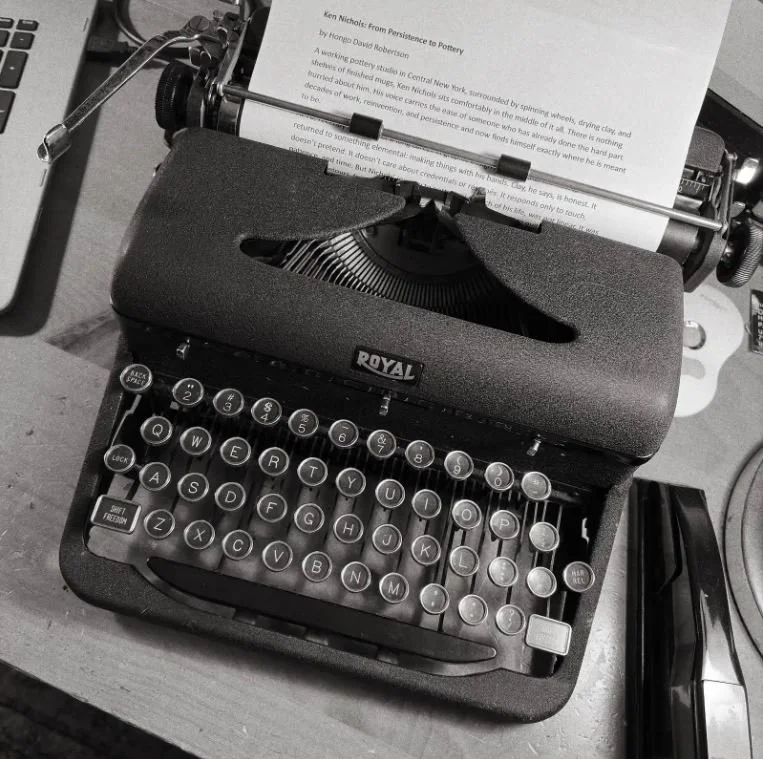
Photo Credit: HonGo David Robertson
Every interview for HonGoArt – On the Road Journal begins as a conversation, not an interrogation. I want the person sitting across from me to feel comfortable enough to talk naturally and allow their story to unfold. I may have researched the artist beforehand and have a general understanding of what I want to learn, but I don’t follow a rigid questionnaire.
Some of the best stories happen when neither of us is expecting them. A conversation might begin with art and move toward childhood, family, work, failure, success, or something completely unexpected. I follow where the conversation leads.
I record every interview. The recorder preserves the artist’s actual voice—their words, pauses, laughter, stories, and reflections. Afterward, I have the recording transcribed so I have an accurate written record to work from.
But the recording is only part of the process.
During every interview, I also keep handwritten field notes. I pay attention to the environment and the details an audio recording cannot capture: the light coming through a studio window, the smell of paint or sawdust, hands covered in clay or grease, a dog sleeping under a table, the way someone reacts when discussing a particular piece of work, or the pause before answering a difficult question.
Those observations become part of the story.
When I sit down to write, I bring everything together—the transcription, my handwritten notes, documentary photographs, research, and my own memory of being there. From those materials, I write a narrative rather than simply publishing a question-and-answer interview.
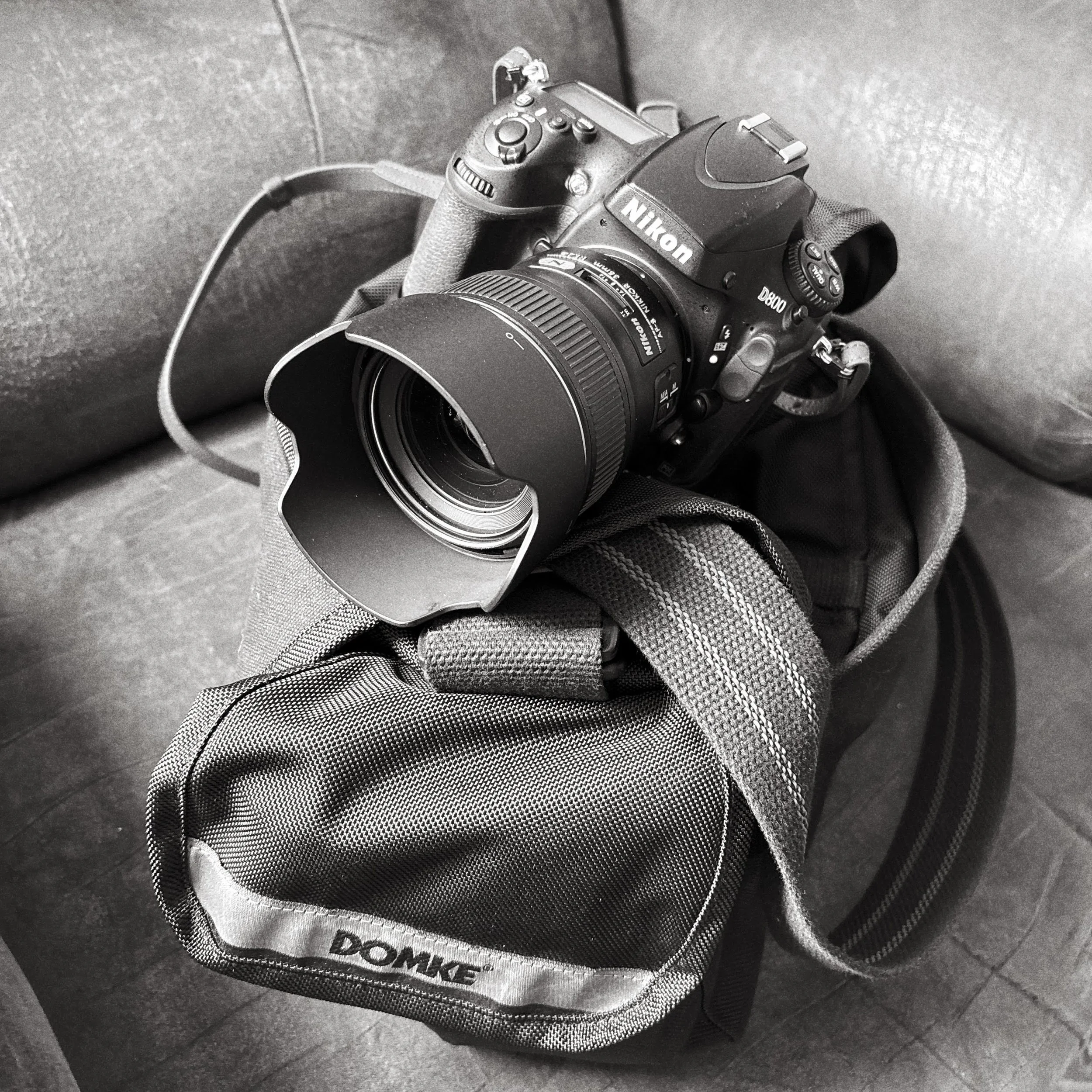
Photo Credit: HonGo David Robertson
My goal is to document more than what an artist says. I want to show something about how they live, work, think, create, struggle, and find meaning in what they do. I want the reader to feel as though they were sitting in the room with us.
I’ve now conducted more than 56 interviews and, during much of the year, have averaged two or three interviews per week. I’ve recently taken about a week and a half to slow down and relax, but with fall approaching, I expect that schedule to increase again.
That brings me to another subject I believe I should be transparent about: my use of artificial intelligence.
I use AI as an editing and production assistant. I use it to help with grammar and clarity, organize research, summarize my own longer pieces, identify themes, and help structure an article from my own notes and transcription.
What AI does not do is think for me.
It does not conduct my interviews. It does not take my photographs. It does not experience the places I visit or the people I meet. It does not replace my observations, opinions, ideas, memories, or creative decisions.
The material begins with me.
I provide the experience, the photographs, the recordings, the notes, the research, and the ideas. I then review, rewrite, edit, remove, add, and make the final decisions.
I think of AI much like a good editor. It can help make what I am trying to say clearer, but it cannot replace the person who experienced the story.
I have enormous respect for every artist who welcomes me into their home, studio, workshop, or creative space. Being invited into someone's world is a privilege.