
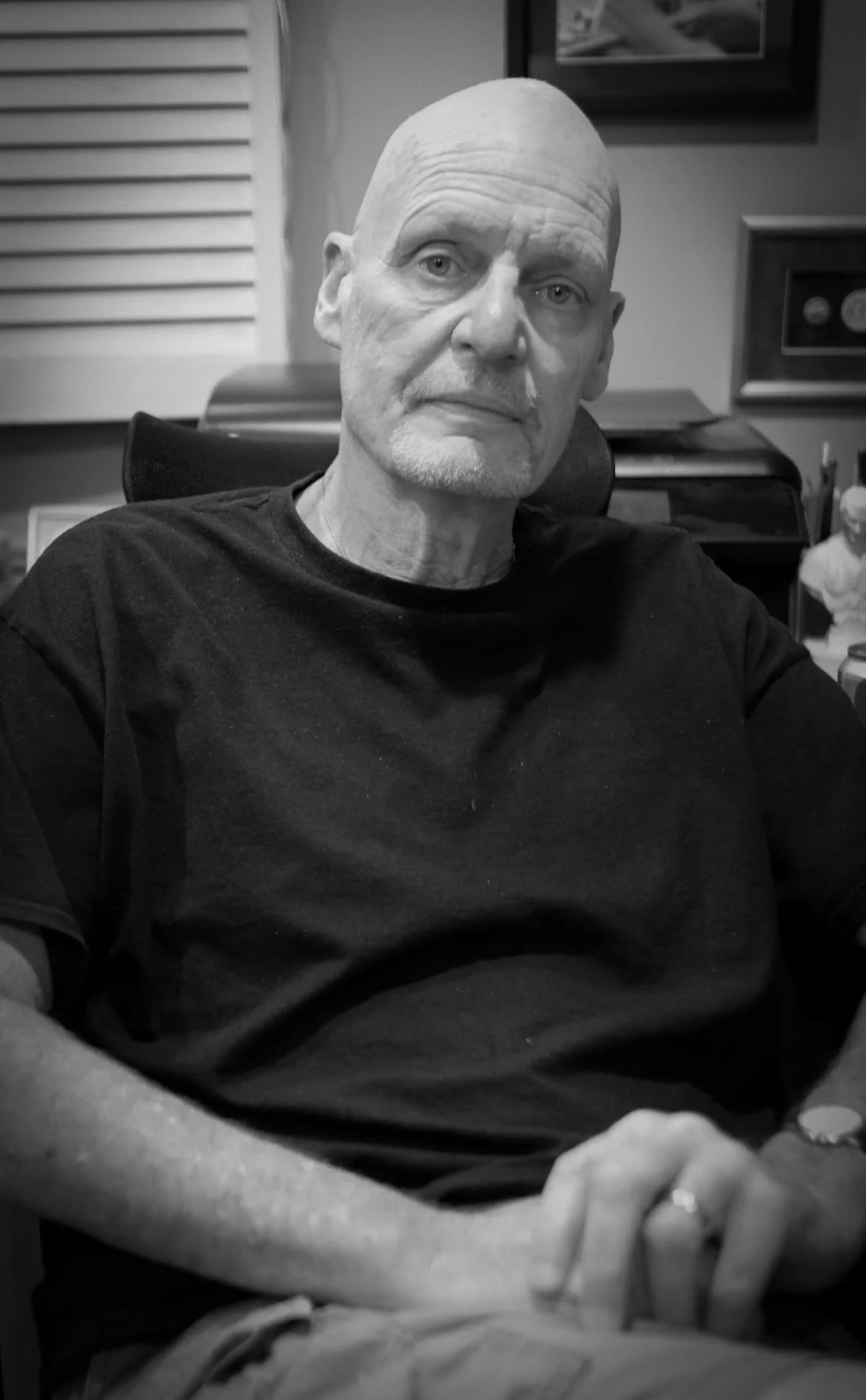
Photo Credit: HonGo David Robertson
Halloween weekend seems the perfect time to introduce Tim Mahar. Over the years, Tim has had his share of encounters with the creatures of the night—not as a frightened bystander, but as part of the entertainment. From bringing monsters and science-fiction characters into living rooms as a television performer to hosting WTVH-5’s wonderfully offbeat Freaky Flix and Foods, Tim has embraced the strange, the spooky, and the downright bizarre. He even stepped into the world of horror films with Night Sweats. So, while Halloween celebrates ghosts, ghouls, and monsters, this weekend we get to meet one of the people who has helped bring a little of that Halloween spirit to the screen.
I pulled into Tim Mahar's driveway for a conversation that I expected would revolve around acting and improvisation with a lot of comedy thrown in. Those subjects certainly surfaced, but they became only part of his story. Sitting in his basement studio room he uses for writing, podcasting, and reflection, surrounded by awards, diplomas, books, memorabilia, microphones (real and decorative) and reminders of a lifetime spent in the arts, it quickly became apparent that Mahar has never confined himself to a single identity. In fact, he’ll tell you he likes to be a bit of a mystery when it comes to the character he portrays in real life. He has been an actor, broadcaster, improviser, educator, fundraiser, administrator, writer, podcaster, community advocate and recently a published poet. Throughout every stage of that journey, one thread has remained remarkably consistent: a curiosity about people and a belief that creativity can improve lives.
Today Mahar serves as the communications, marketing, fundraising, and media relations director for Indera, formerly known as ARISE, an organization serving individuals with disabilities throughout Central New York. Rather than describing the position in terms of responsibilities or titles, he spoke about the people. Roughly half of the organization's workforce consists of individuals with disabilities, and Mahar says he leaves work each day feeling fulfilled. The organization's mission aligns with where he finds himself at this point in his life, using his communication skills to strengthen a community built on dignity, inclusion, and opportunity.
His enthusiasm is especially evident when discussing Unique, the literary and visual arts magazine produced through Indera. Now entering its twenty-sixth year, the juried publication showcases poetry, painting, drawing, and other creative work by artists with disabilities. Community arts leaders serve as judges, the Everson Museum of Art exhibits the selected work, and each edition becomes both an exhibition and a celebration of creative achievement. Mahar speaks about the project not simply as another publication, but as an opportunity for artists to have their voices recognized within the broader cultural community.
Although much of Mahar's current work centers on nonprofit leadership, creativity has shaped his life since childhood. He usually describes himself as being from Syracuse, though his family lived just outside Marcellus on Northeast Townline Road, almost exactly between Marcellus and Camillus. His father's family traced its roots to Syracuse's Tipperary Hill neighborhood, while his mother's family lived on the city's east side. Summers, weekends, and family visits kept him closely connected to Syracuse, creating a childhood balanced between country roads and city neighborhoods.
Like many children growing up during the late 1960s and early 1970s, Mahar found himself captivated by television. Programs such as Rowan & Martin's Laugh-In introduced him to sketch comedy and improvisation long before he understood those forms as artistic disciplines. At fifteen, however, his ambitions were focused elsewhere. He wanted to work in radio. Most teenagers might dream about broadcasting careers. Mahar pursued one.
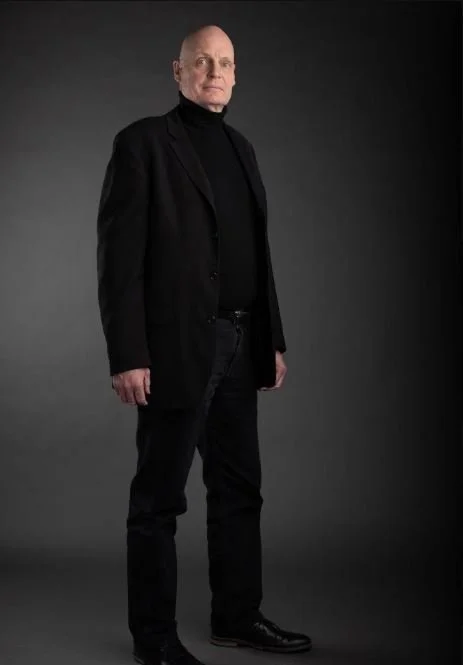
Photo Provided by Tim Mahar
He visited local radio stations, introduced himself to broadcasters, and eventually met Alan Milair at WSYR. Rather than dismissing the young visitor, Milair encouraged him to stay in touch. Mahar did exactly that, maintaining contact while continuing through high school and eventually college. Years later, that relationship would open doors to professional broadcasting.
(Note: Alan F. Milair was a well-known Syracuse broadcaster, actor, and theater performer whose career left a lasting mark on Central New York's media and performing arts communities. Best known for his years with WSYR Radio and Television, Milair was equally respected for his work on stage, where his commanding presence and dedication to local theater earned him widespread admiration.)
Tim’s educational path was anything but predictable. After graduating from Marcellus High School, he enrolled at Herkimer Community College with hopes of playing basketball. A knee injury changed those plans almost immediately, followed by academic strains that sent him back home after only one semester. Looking back, Mahar considers the setback less a failure than a redirection.
He enrolled at Onondaga Community College, where two lifelong passions finally converged. The Radio and Television Department became the creative environment he had been searching for. The faculty expected students to work hard, collaborate, and master every aspect of production. Mahar immersed himself in the program, discovering that broadcasting required far more than speaking into a microphone. It demanded preparation, storytelling, teamwork, and adaptability.
Tim discovered that art also played an unexpectedly important role during those years. In high school he had chosen art simply because it fit his schedule, yet he found himself drawn to the classroom despite insisting that he possessed little traditional artistic talent. Drawing never came easily, but he loved the atmosphere, the process, and the people. His teacher encouraged him, displaying his work in exhibitions even when Mahar believed it hardly measured up to that of his classmates. More importantly, she welcomed the friends he brought into the classroom, students who otherwise might never have stepped inside an art room. Mahar remembers the experience not because of awards or accomplishments but because it demonstrated that art could become a welcoming place for anyone willing to participate.
Opportunity arrived quickly after OCC. Mahar was accepted to Emerson College in Boston, but another possibility emerged at nearly the same time. Through his connection with Alan Milair, he was offered work at Channel 3 in Syracuse. The position began modestly. He worked as a janitor before moving into studio operations, operating the teleprompter during evening news broadcasts and filling in with the production crew whenever needed. It was the kind of behind-the-scenes experience that introduced him to every corner of television production.
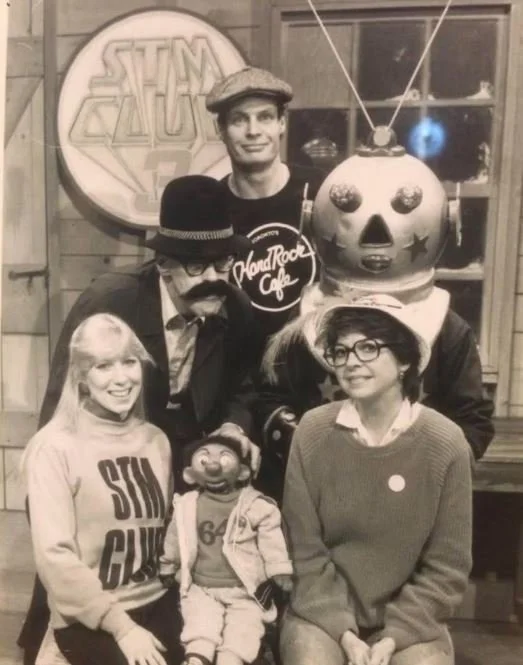
Photo Provided by Tim Mahar
Eventually the cameras turned toward him. Many Central New Yorkers remember Mahar as Bobo the Hobo on Saturday Showboat, one of the region's beloved children's television programs. Later he became part of The STM Club, a daily children's show built around cartoons, comedy, and original segments. Mahar laughs about discovering years afterward that college students often watched the program while relaxing after classes, giving the show an unexpected audience beyond its intended viewers.
His television career expanded again when FCC changes reshaped local broadcasting. As stations reorganized and familiar personalities moved between television and radio, Mahar stepped into another memorable role, portraying Frankenstein on Monster Movie Matinee. Commercial work followed, adding another layer to an already diverse broadcasting résumé. Each opportunity built upon the previous one, not through careful long-term planning but through a willingness to say yes whenever something interesting appeared.
While many performers might have been content with steady television work, Mahar wanted to continue learning. During his days off he began making regular trips to Toronto to study improvisational theater with Second City, whose alumni included many of North America's finest comedians and actors.
Working nights as a security guard, he would travel hundreds of miles for workshops, spend a day immersed in improvisation, then return home in time for work. A director associated with the celebrated Canadian comedy troupe SCTV became one of his mentors, encouraging Mahar to continue developing his skills. He eventually auditioned for Second City's touring company, advanced through callbacks, and received advice that pointed him toward Chicago, where he continued commuting for additional training.
Those years established a philosophy that would guide Mahar for decades. Improvisation was never simply about comedy. It demanded careful listening, trust between performers, and the ability to build something meaningful from whatever happened in the moment. Long before those ideas would influence his teaching and leadership, they became the foundation of how he approached both art and life.
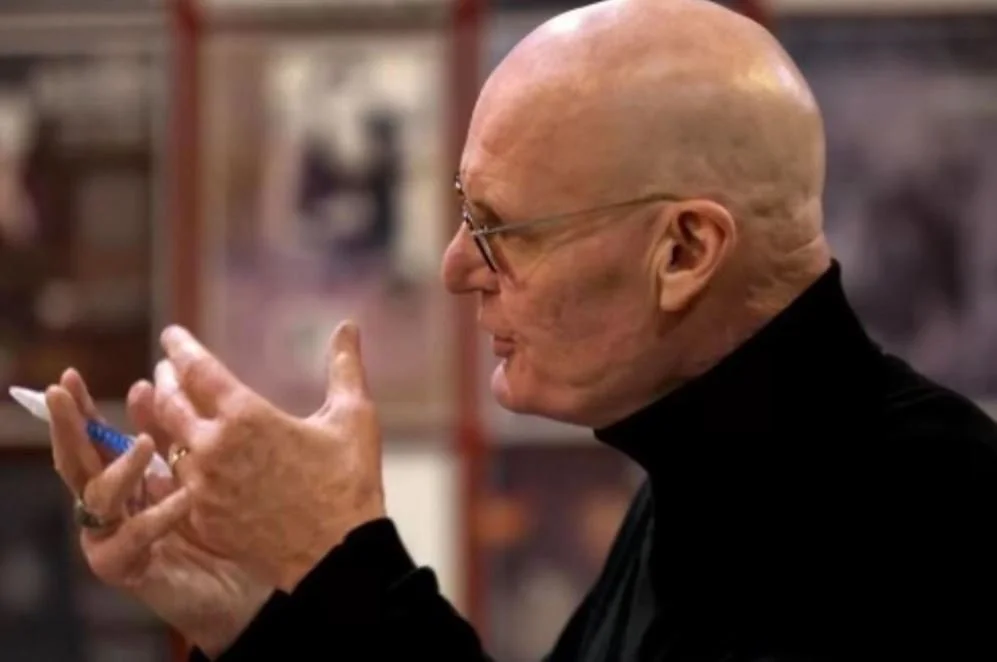
Photo Provided by Tim Mahar
Writing eventually became another important outlet for Mahar, though it developed almost by accident. While studying acting at Syracuse University, one instructor encouraged students to keep journals and become better observers. Mahar embraced the exercise, particularly during the years he spent traveling to Toronto and Chicago for improv workshops. Long hours in train stations, bus terminals, airports, and unfamiliar cities gave him time to watch people. He began recording those observations, often shaping them into short poems with a lyrical rhythm. "I've never considered myself a poet," he explained. "They're more like song lyrics." Growing up on Top 40 radio had influenced not only his broadcasting ambitions but also the cadence of his writing. Rather than pursuing formal poetry, he found satisfaction in creating short pieces that captured moments, emotions, or simple observations. More importantly, writing became therapeutic. It offered a way to process experiences and preserve thoughts that otherwise might have disappeared.
Like many people, Mahar rediscovered creative habits during the isolation of COVID-19. Daily observations found their way onto Facebook, where readers responded enthusiastically. Some posts reflected the humor of the moment, such as the contrast between buying bread and milk before snowstorms and buying toilet paper during the pandemic. Others were more reflective, accompanied by photographs or brief poems.
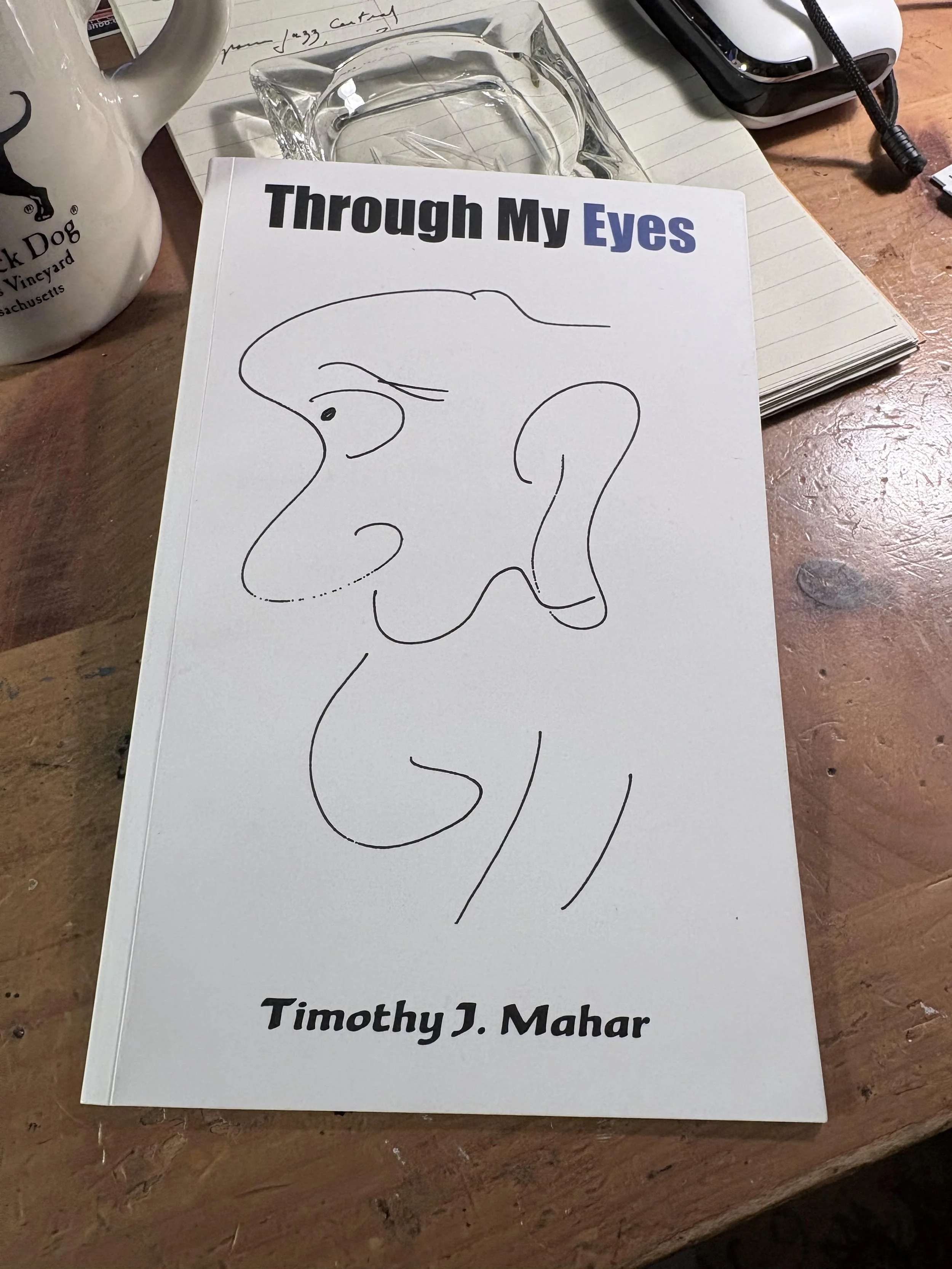
Photo Credit: HonGo David Robertson
Those posts eventually caught the attention of local publisher Dennis Brogan. Brogan approached Mahar about turning the growing collection into a book. Although Mahar had not planned on becoming an author, the encouragement persuaded him to move forward. Working closely with Brogan and relying on his wife, a French teacher, for careful editing, the manuscript gradually became a published collection. Mahar found himself enjoying not only the writing itself but also the collaborative process of editing, designing, and shaping a finished book. The promotional side of publishing interested him far less. He would rather share the work through readings and conversations than sit behind a table signing copies at a bookstore. That preference reflects a broader pattern throughout Mahar's career. Whether acting, teaching, or writing, he consistently places the emphasis on shared experience rather than personal recognition.
The conversation naturally expanded to Mark Twain, whose biography currently occupies Mahar's reading table. He enjoys learning about the creative process as much as the finished work itself, where writers sat, how they organized their days, and the environments that nurtured their imagination. He is fascinated by the routines behind the art, believing that understanding the process reveals as much about an artist as the work itself.
That same curiosity shaped Mahar's return to higher education. At thirty-three, after years of professional acting and broadcasting, he returned to Syracuse University to complete his bachelor's degree. He graduated at thirty-six, later earning a Master of Public Administration and a Certificate of Advanced Study in Conflict Resolution from the Maxwell School.
What surprised many of his professors was Mahar's ability to connect improvisational theater with conflict resolution. Improvisation depends on listening carefully, accepting another person's contribution, adapting to changing circumstances, and moving forward together. Those same skills, he realized, apply to negotiation, leadership, and crisis management. Working with faculty members at Maxwell, Mahar helped develop programs exploring those connections, eventually consulting with Second City on corporate training that combined improvisation with communication and conflict resolution. The work demonstrated that improvisation is far more than entertainment. At its core, it teaches people to pay attention, remain flexible, and build trust—qualities equally valuable in classrooms, boardrooms, and communities.
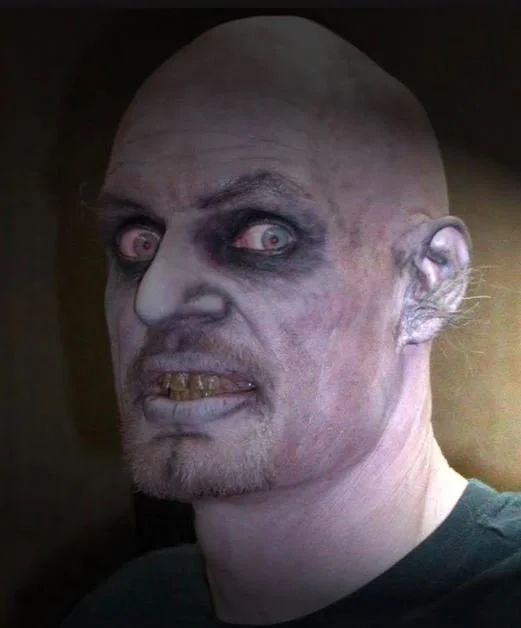
Photo Provided by Tim Mahar
Syracuse University hired Mahar during a major fundraising campaign within the College of Visual and Performing Arts. Although he had never imagined working in development, the position allowed him to remain connected to the arts while supporting students, faculty, and alumni. His role eventually expanded into alumni relations, where he created arts programming across the country, organizing exhibitions, performances, and events in cities including Washington, Boston, Chicago, Los Angeles, Seattle, and Atlanta. Rather than treating alumni gatherings as routine receptions, Mahar developed programs that highlighted artists, performers, filmmakers, and faculty members. The work allowed him to strengthen relationships while celebrating the creative achievements of the university community.
Cornell University later recruited him into its own alumni organization, where he oversaw affinity programs, entrepreneurship initiatives, diversity programming, and international alumni engagement. Once again, communication, creativity, and relationship-building became central to his responsibilities.
Looking back, Mahar sees those career moves less as carefully planned decisions than as opportunities that naturally emerged from previous experiences. Time after time, creative work opened doors into new fields without ever pulling him away from the arts themselves.
Even today, performance continues to occupy an important place in Mahar's life. In 2007, Mahar and fellow performer Laura Austin founded an improvisational troupe at the original Redhouse on Fayette Street in Syracuse. For the next five years, the company became a creative home for performers and audiences alike, presenting improvisational theater that emphasized collaboration, quick thinking, and the joy of creating something entirely in the moment. The troupe reflected Mahar's long-held belief that improv is less about trying to be funny than it is about listening, trusting others, and building something together.
Today he continues sharing those principles as an instructor with Auburn Public Theater, introducing adults to improvisation as both a performance art and a life skill. His classes focus on confidence, communication, collaboration, and creativity—qualities that extend well beyond the stage.
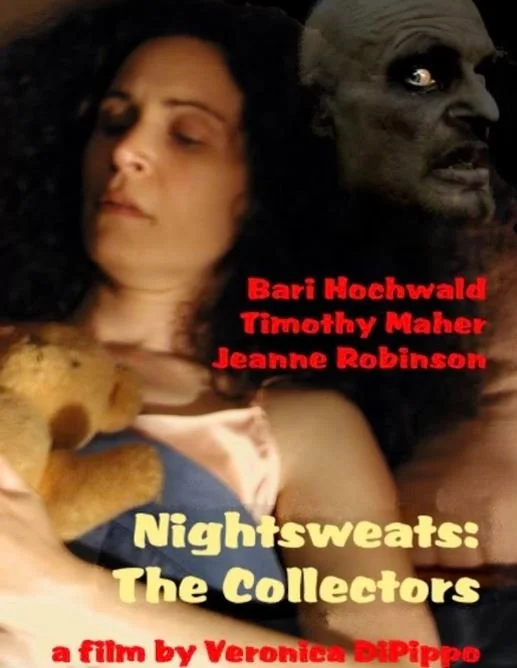
Photo Provided by Tim Mahar
His earlier productions reflected that same inventive spirit. Among his favorite projects was Freaky Flix and Foods, WTVH-5's late-night Saturday night science-fiction cooking program, where Mahar served as host in 2003. He laughs when describing the show as "bizarre and fun," an unusual blend of cult science-fiction films, comedy, and cooking that developed a loyal following. It perfectly suited his willingness to embrace unconventional ideas while entertaining audiences.
Mahar also continued acting in film. During one visit to Los Angeles, he auditioned for and was cast in the award-winning horror short Night Sweats. The film, shot in Los Angeles, went on to receive recognition at several film festivals, providing another memorable chapter in a career that has comfortably moved between local television, live theater, film, and improvisational performance.
His earlier projects reflected that same inventive spirit. Mahar created Live Radio, an improvisational stage production that recreated the atmosphere of a classic radio broadcast. Local musicians performed alongside improvisational actors, spoof commercials interrupted the programming, and audience members experienced the illusion of attending a live radio show. The production simultaneously entertained audiences while providing valuable performance opportunities for emerging musicians.
Supporting other artists has become one of Mahar's defining characteristics. Whether producing Live Radio, publishing Unique, teaching improv, or mentoring performers, he consistently looks for ways to create opportunities for others rather than focusing solely on his own accomplishments.
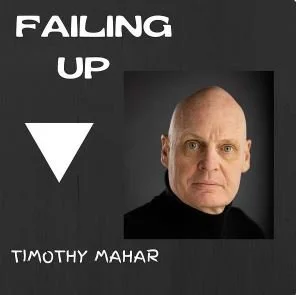
Photo Provided by Tim Mahar
More recently, Mahar has embraced another medium. His podcast, “Failing Up”, launched during the pandemic, has grown into an ongoing collection of more than 260 episodes. Recorded in the same room where we conducted our interview, the podcast remains intentionally informal. Mahar chooses a subject that interests him, records a conversation—often with himself—and releases it with only minimal editing. The occasional stumble or pause remains part of the finished recording.
He smiled while showing the podcast statistics on his computer. Listeners now download episodes from across the United States and around the world, yet Mahar insists the audience has never been the primary motivation. The podcast gives him a place to think aloud, preserve ideas, and continue the habit of observation that began decades earlier in train stations and classrooms.

Photo Provided by Tim Mahar
Like his writing, the podcast has become an archive. Old episodes continue attracting listeners years after their release, reinforcing Mahar's belief that creative work has a life beyond the moment it is produced.
As our conversation came to a close, I looked around his studio once more. The room reflected a lifetime of interests rather than a single profession. Books shared shelf space with broadcasting memorabilia. Podcast microphones sat beside reminders of television, theater, and university life. Everything pointed to someone who has never viewed creativity as a destination.
For Tim Mahar, creativity is simply a way of moving through the world. Over the course of several decades, he has worked in television studios, theaters, universities, nonprofit organizations, classrooms, recording booths, and community arts spaces. Those settings may appear unrelated at first glance, yet each has been connected by a common purpose: helping people communicate, discover their potential, and build meaningful relationships.
Whether producing Live Radio, co-founding the Redhouse improvisational troupe with Laura Austin Allyn, hosting the wonderfully offbeat Freaky Flix and Foods, acting in the award-winning short film Night Sweats, publishing Unique, teaching improv, or mentoring performers, Mahar has consistently looked for ways to create opportunities for others while continuing to challenge himself as an artist. His career has never followed a straight line, but every turn has remained connected through creativity, curiosity, and a genuine enjoyment of bringing people together.
To connect with Tim you can email him at: timjmahar@gmail.com