
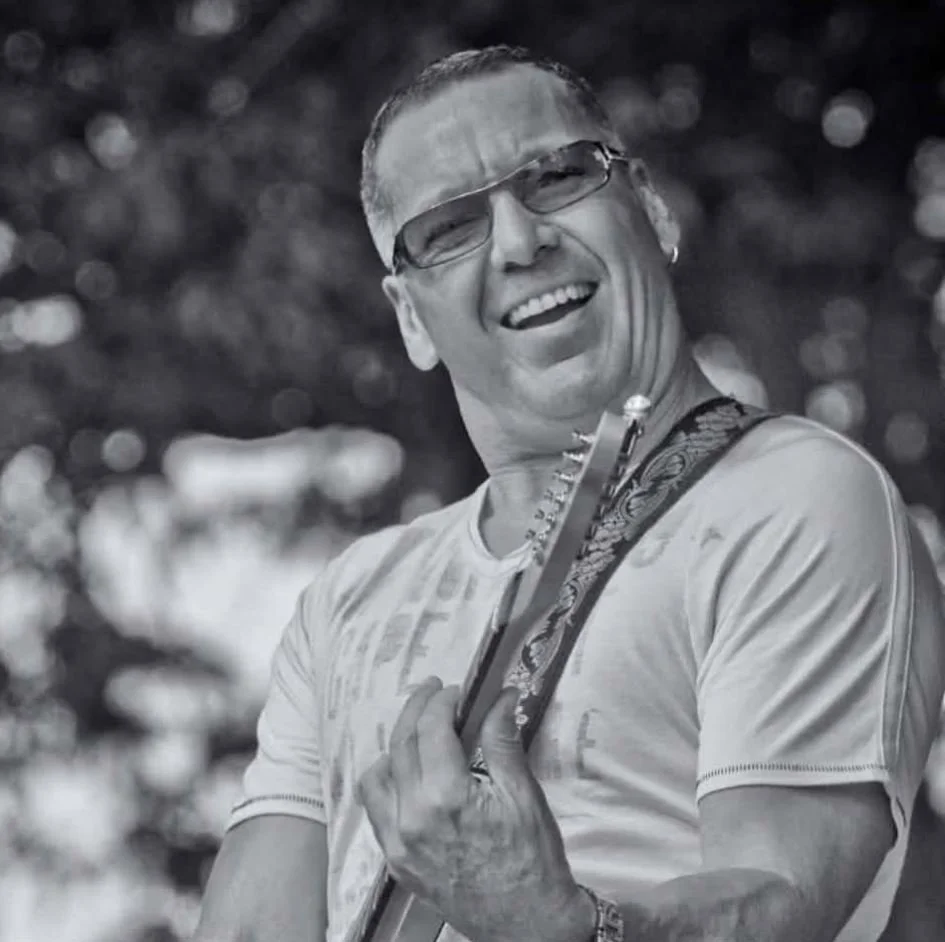
Photo Provided by Rex Lyons
On a very warm and soon to be very hot August morning, I drove to the home of musician Rex Lyons expecting to talk about a band that has entertained audiences across Central New York for decades. Instead, the conversation unfolded into something much broader. Music was only the entry point. Before long we were discussing handcrafted guitars, Haudenosaunee sovereignty, the international growth of lacrosse, environmental stewardship, family, and the responsibility that comes with carrying forward a cultural legacy.
Sitting in Lyons' home, surrounded by instruments, woodworking tools, artwork, and reminders of a lifetime devoted to both creativity and community, it became apparent that none of these pursuits exist independently. Each informs the next. Music influences craftsmanship. Craftsmanship reflects heritage. Heritage shape’s purpose.
Lyons has spent much of his life balancing these worlds with remarkable ease. Most people in Central New York know him as the founder and driving force behind The Ripcords, a band that has become synonymous with energetic live performances and musical versatility. While many groups come and go, The Ripcords have endured by remaining committed to musicianship rather than trends. Their performances draw audiences because they celebrate songs people love while maintaining the excitement that only experienced musicians can deliver.
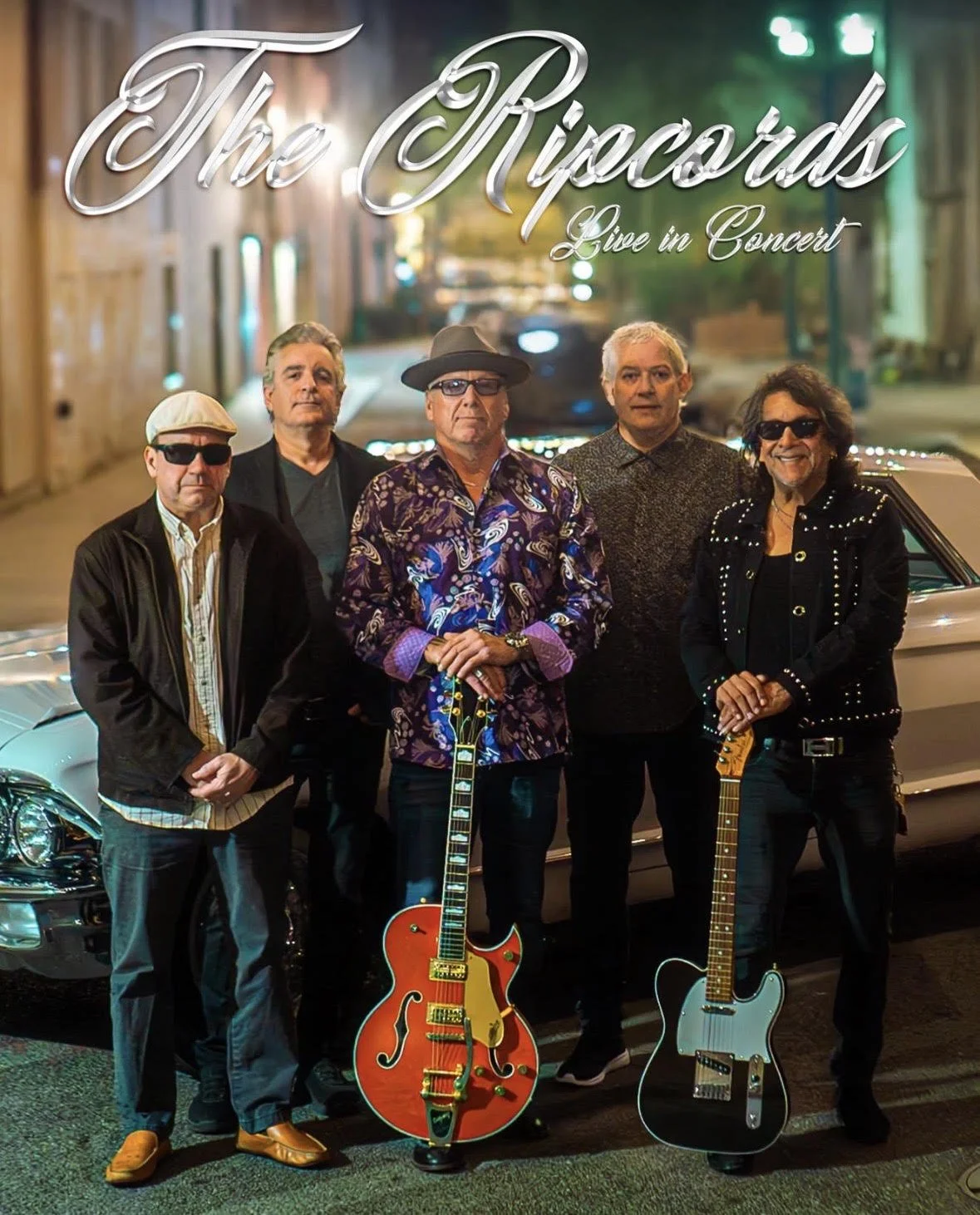
Photo Provided by Rex Lyons
For Lyons, however, music began long before packed clubs and recording studios. He traces his earliest influences to his childhood, when he and a close friend developed an unexpected fascination with 1950s doo-wop music. At thirteen years old they were performing Sha Na Na routines long before they could competently play instruments. What started as youthful imitation soon evolved into genuine dedication. "We were horrible," Lyons recalled with a laugh. "Then we got good because we became obsessed." That obsession has remained constant throughout his life.
His mother unknowingly became his first music teacher through her remarkable record collection. While many teenagers searched for contemporary artists, Lyons immersed himself in Johnny Cash, Jerry Lee Lewis, Merle Haggard, Marty Robbins, Elvis Presley, Taj Mahal, and countless others. Every album expanded his understanding of rhythm, songwriting, and performance. Rather than rejecting previous generations of music, he embraced them.
Those records became the foundation upon which everything else would be built. As his musical interests evolved, Lyons followed many of the same paths traveled by young musicians during the late 1970s and early 1980s. Punk rock captured his imagination, offering raw energy and independence. Yet another experience would permanently alter his understanding of musicianship.
Recognizing his son's growing passion, Lyons' father took him to New York City's legendary Sweet Basil jazz club. There, Lyons watched master musicians perform with a level of precision and creativity unlike anything he had previously experienced.
The performance changed him. He remembers sitting mesmerized as a drummer created astonishing textures with little more than maracas while the trio communicated almost telepathically. The music revealed technical and emotional possibilities he had never imagined. His father wasn't trying to discourage his interest in punk music. Instead, he wanted to broaden his son's perspective by showing him excellence at the highest level.
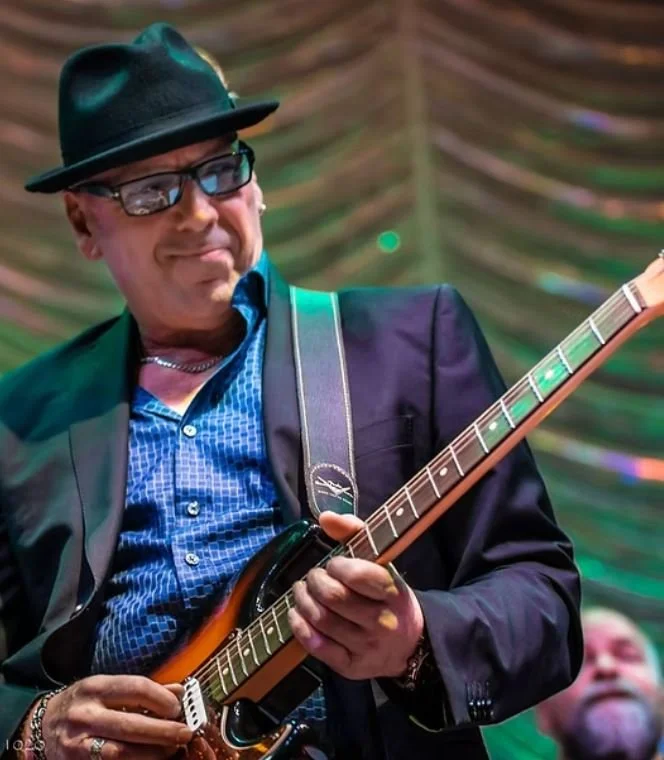
Photo Provided by Rex Lyons
That lesson stayed with him. Family has always been central to Lyons' artistic life. His father, Oren Lyons, is internationally recognized as an artist, illustrator, Faithkeeper, educator, environmental advocate, and one of the foremost voices representing the Haudenosaunee Confederacy. Growing up in such an environment meant that creativity and public service were never separated. Art existed alongside culture. Leadership existed alongside humility.
Lyons readily acknowledges the influence. "My father set the bar really high," he admitted.
His Dad’s accomplishments could easily have overshadowed a young artist trying to find his own voice. Instead, they inspired Lyons to discover his own path, one that would ultimately blend music, craftsmanship, athletics, and cultural advocacy into a uniquely personal life. That appreciation for craftsmanship extends beyond music itself.
One of Lyons' most memorable stories involves a trip to Sweden, where he met a master cabinetmaker and guitar builder. Admiring one of the handcrafted instruments led to an unexpected invitation to build his own. For four days they worked nearly seventeen hours each day, carefully shaping wood, fitting components, and discussing every subtle detail that separates an ordinary guitar from an exceptional one.
The experience transformed Lyons' understanding of instrument making. He returned home carrying a guitar he had built with his own hands—a custom instrument combining the appearance of a Telecaster with many of the tonal characteristics of a Les Paul. Decades later it remains one of his favorite recording guitars, valued not only for its sound but for the memories embedded within its construction.
Building that guitar reinforced something Lyons already believed. True craftsmanship cannot be rushed. Whether constructing a musical instrument, restoring an automobile transmission, laying stone, or writing a song, mastery develops through patience, repetition, and an intimate understanding of materials. Throughout our conversation he repeatedly spoke with admiration about people who dedicate themselves to learning a craft simply because they love the work.
That same philosophy shapes his music today. In addition to The Ripcords, Lyons has developed another recording project known as the West Side Social Club. Unlike a traditional band, the project allows him to assemble different combinations of accomplished local musicians for each recording.
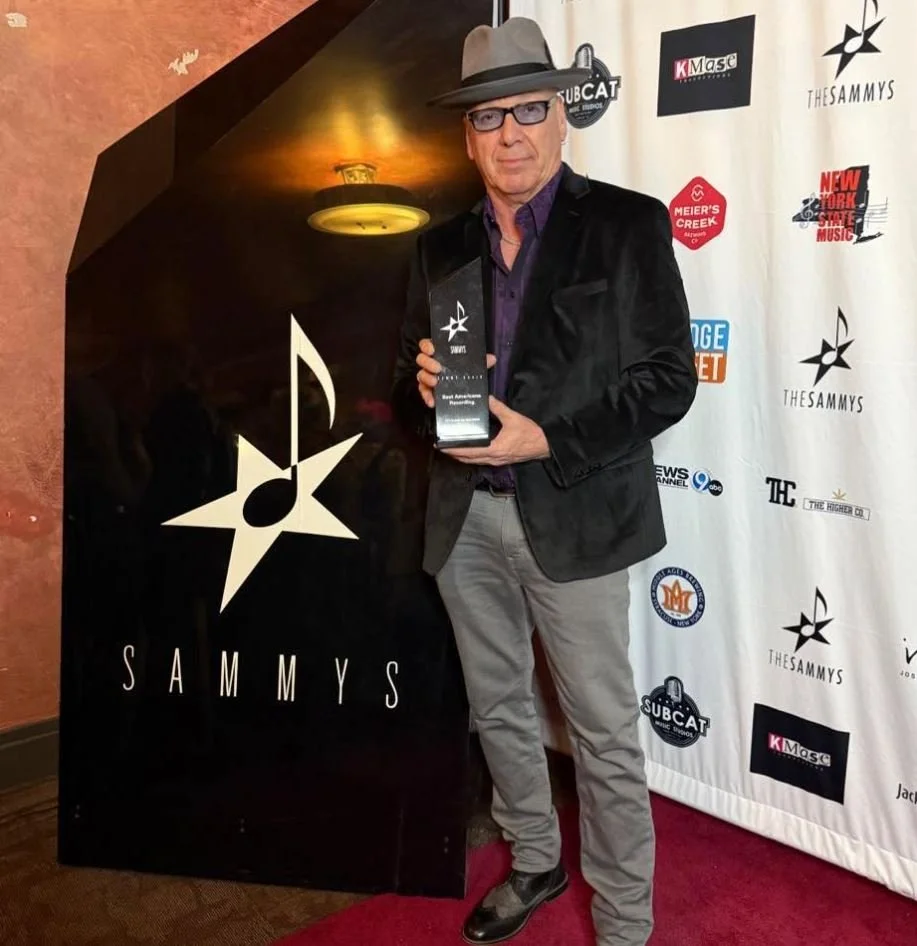
Photo Provided by Rex Lyons
Every collaboration produces something different. Rather than pursuing a fixed formula, Lyons enjoys allowing the personalities of individual musicians to influence the finished work. Veteran performers, younger artists, powerful vocalists, seasoned horn players, and exceptional instrumentalists all contribute their own perspectives.
The result, as Lyons describes it, becomes "a gumbo." The emphasis remains on creating something authentic rather than predictable. Music, however, represents only part of Lyons' identity.
Equally significant is his lifelong relationship with lacrosse. A former professional player with the Rochester Nighthawks, Lyons has dedicated decades to the Haudenosaunee Nationals, the internationally recognized team representing the Haudenosaunee Confederacy. For him, lacrosse has never been merely a game. It is a cultural tradition, a spiritual inheritance, and an expression of Indigenous identity.
Much of that work began with his father and other Haudenosaunee leaders who envisioned an international team competing under its own flag rather than being absorbed into existing national programs. More than forty years later, Lyons continues helping advance that vision.
His commitment extends well beyond athletics. International travel, diplomatic discussions, and ongoing efforts to secure recognition for the Haudenosaunee Nationals reflect his belief that sports can serve as a vehicle for preserving sovereignty while introducing Indigenous history to audiences around the world.
When Rex Lyons picked up the lacrosse stick made by Alfie Jacques, the conversation moved beyond the game itself. The stick became a way of explaining how he understands the relationship between people, culture, craftsmanship, and the natural world.
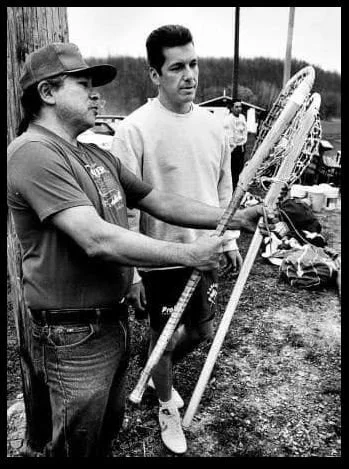
Photo Provided by Rex Lyons. Alfie Jacques seen here with Rex Lyons.
Lyons had known Jacques for years. As a young player, he had also known Jacques' father, Louis, who would stop whatever he was doing to help a kid with a shooting string. Those small encounters stayed with Lyons. They represented something larger than a stick or a piece of equipment. They were examples of knowledge being passed from one generation to another, of an older craftsman taking the time to help a young player understand the game.
Years later, Jacques approached Lyons at practice, opened the trunk of his car, and said, "I got something for you." Inside was a lacrosse stick. Jacques told him, "This one has your name on it." It did.
For Lyons, the gift represented something much deeper than the craftsmanship of an exceptional stick maker. It reflected a relationship built over generations, a shared respect for the game, and a tradition in which knowledge and passion are passed from one generation to the next. To understand the stick, Lyons explained, one must also understand lacrosse itself and its place in Haudenosaunee culture. It is not simply a sport, but a medicine game, carrying a spiritual significance that reaches far beyond the playing field.
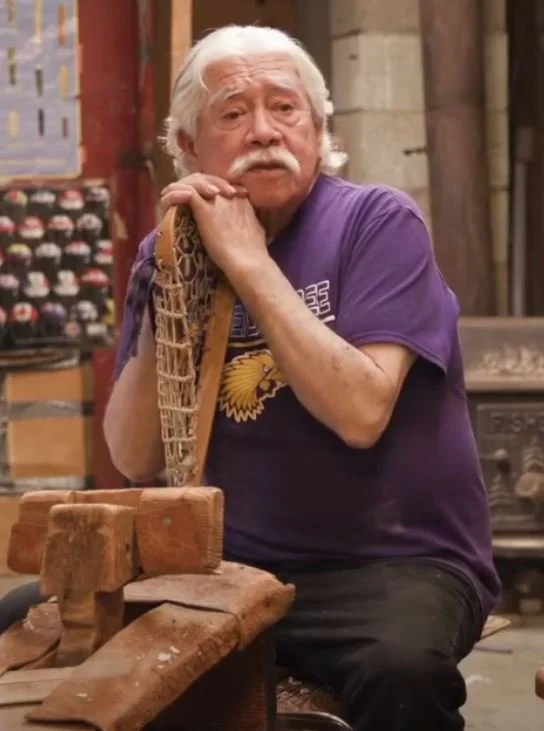
Alfie Jacques
That phrase became the key to understanding everything else he wanted to explain. For the Haudenosaunee, Lyons said, lacrosse is not simply a sport. It is part of a spiritual and cultural tradition. He described it as a gift from the Creator, a game connected to the vitality of the people. The game itself, and the stick used to play it, carry relationships between the human world and the natural world. "Anything that Indigenous people do," Lyons said, "it's tethered to the natural world. The environment is everything."
He began explaining the stick almost as though he were taking it apart and rebuilding it conceptually. The traditional stick begins with the tree. In this case, hickory. But even the process of obtaining the wood matters. According to Lyons, Jacques does not simply go into the woods looking for a tree to cut down. He looks for particular characteristics in the wood, and he also plants hickory trees.
That distinction is important to Lyons. The process is not simply taking something from nature. It is participating in a cycle. "You have to understand those cycles," he said. "You live within those rhythms, and you understand them, you respect them."
The hickory represents the plant world, the things that grow from the earth. But the traditional stick also incorporates the animal world. Historically, the pocket was made with deer sinew. Lyons explained that the deer represents the animal nation within the construction of the stick. "So now you have the animal nation represented in this stick," he said.
The relationship continues with the traditional weaving of the pocket, which represents the clans, the families and communities that make up the people. Suddenly, what appears to an outsider to be a simple wooden lacrosse stick becomes a physical representation of several interconnected worlds. "You have the natural world," Lyons explained. "You have the animal nation, and you have the human being working collectively in concert for common good."
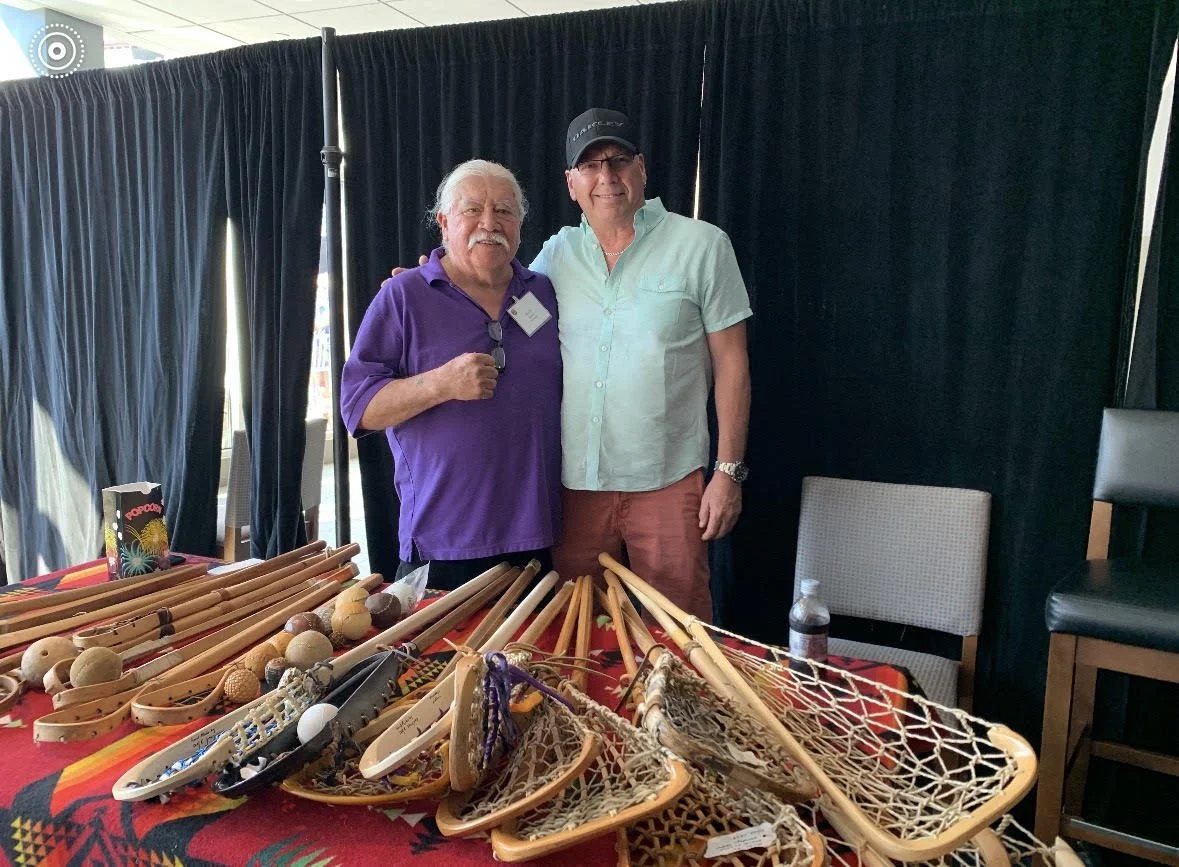
Photo Provided by Rex Lyons. Alfie Jacques and Rex
That idea of collective responsibility is central to Lyons' understanding of lacrosse and, more broadly, to his philosophy of life. He contrasted that way of thinking with what he sees as a tendency in modern society to divide everything into separate categories: work, family, environment, culture, sport, spirituality. For Lyons, those boundaries are artificial. "There is nothing you can't compartmentalize," he said, before correcting himself. The point, he explained, is that everything is connected. The stick makes that philosophy tangible.
The tree is connected to the earth. The deer is connected to the animal world. The weaving represents families and clans. The player connects all of those elements through the game. The game itself connects the individual to the community. Even the act of making the stick becomes part of the teaching.
Lyons emphasized the importance of intention. Jacques is not simply manufacturing an object. He is entering the natural world, selecting material, respecting the tree, planting for the future, and transforming that material into something that will be used by another person.
There is a beginning, a middle, and a future. The tree becomes the stick, the stick becomes part of the game, and the game becomes part of the life of the community. Then another generation picks up the stick. That is why the relationship between Jacques, his father Louis, and Lyons is so important to him. As a child, Lyons received help from Louis. As an adult, he received a stick from Alfie. The knowledge and affection moved forward through generations. "It’s the whole connection and generational thing," Lyons said, describing how passion is passed "back and forth and back and forth."
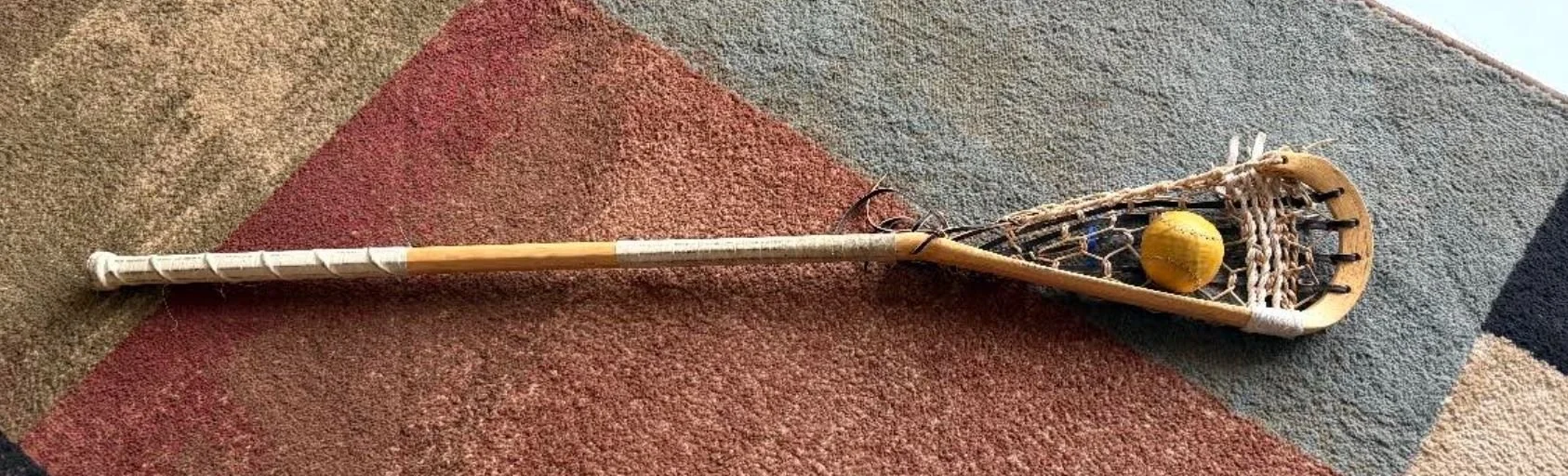
Photo Provided by Rex Lyons
The stick also represents something larger about lacrosse itself. Lyons describes lacrosse as a medicine game because of its traditional spiritual purpose. The game is not simply played for entertainment or competition. It has a role in maintaining the vitality and well-being of the people.
He believes that understanding is essential when considering the future of lacrosse. The international popularity of the sport has grown enormously, but Lyons worries that the more the game is separated from its origins, the more likely people are to misunderstand what makes it meaningful in the first place.
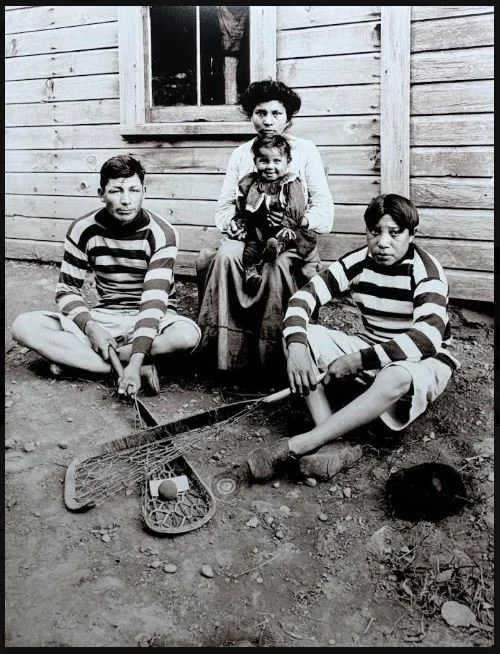
Photo Provided by Rex Lyons
He sees an irony in the fact that lacrosse, a game that originated with the Haudenosaunee and has become one of the fastest-growing sports in the world, can be celebrated internationally while the people who gave the game to the world continue to fight for recognition. "We say it all the time," Lyons said. "Lacrosse is our gift to the world." For him, that gift carries responsibilities. The traditional stick is therefore more than an artifact of an old game. It is an expression of a worldview in which nothing exists entirely by itself.
Lyons pointed out that the deer, for example, has a particular place within Haudenosaunee understanding of the natural world. The hickory has its place. The clans have their place. The players have their place. Each contributes something to the whole. That same philosophy extends to future generations. Lyons spoke about the responsibility to "tread softly" because those who come after us are already part of the equation. The choices made today affect people who have not yet been born.
Even the traditional harvesting of medicine carries this kind of thinking. Lyons explained that you do not simply take the first plant you find. You leave it and take the second one so that the resource remains available. The principle is simple: take what you need, but make certain there will be something left for someone else.
That is the lesson he sees in the lacrosse stick. It begins with a tree, but it does not end with the tree. It incorporates the animal world, the human world, the family, the community, the spiritual world, and the generations yet to come. The stick is a piece of equipment, but it is also a teaching.
When Lyons held it, he was not simply holding something made by a master stick maker. He was holding a physical record of relationships: between himself and the Jacques family, between the player and the game, between the maker and the forest, between the present and the generations that came before. And that is why he reacted so strongly when he first received it. The value was not simply that an exceptional craftsman had made it. Alfie Jacques had made that stick for him. It carried history. It carried friendship. It carried the memory of Louis Jacques stopping his work to help a young boy with a shooting string.
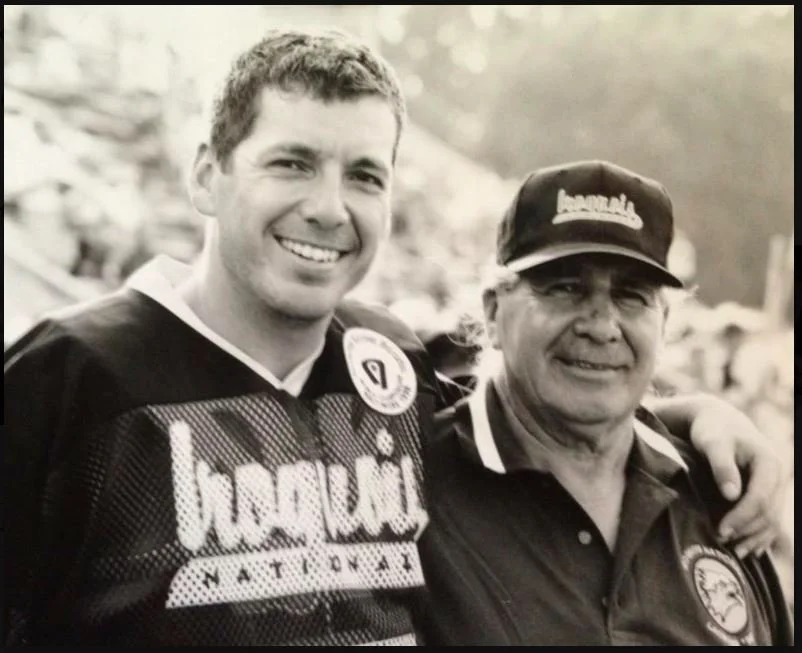
Photo Provided by Rex Lyons: Rex and his father Oren Lyons
And, in Lyons' understanding, it carried something even larger—the continuing relationship between the Haudenosaunee people, lacrosse, the natural world, and the responsibility to care for what is passed into their hands.
For someone who has spent his life making music, building instruments, playing lacrosse, advocating for his people, and learning from those who came before him, perhaps the stick is an appropriate symbol. It is something made by hand, shaped by experience, connected to nature, given from one person to another, and intended to continue its life in the hands of someone else. That, ultimately, is what Rex Lyons sees when he looks at an Alfie Jacques lacrosse stick. Not simply a stick. A relationship.
During our conversation Lyons proudly displayed his Haudenosaunee passport, explaining both the practical challenges and the profound symbolism it represents. Traveling under that passport is not always easy. Some countries require additional visas or documentation because the Haudenosaunee lack an internationally recognized country code. Yet Lyons views the passport as a powerful affirmation of identity and continuity.
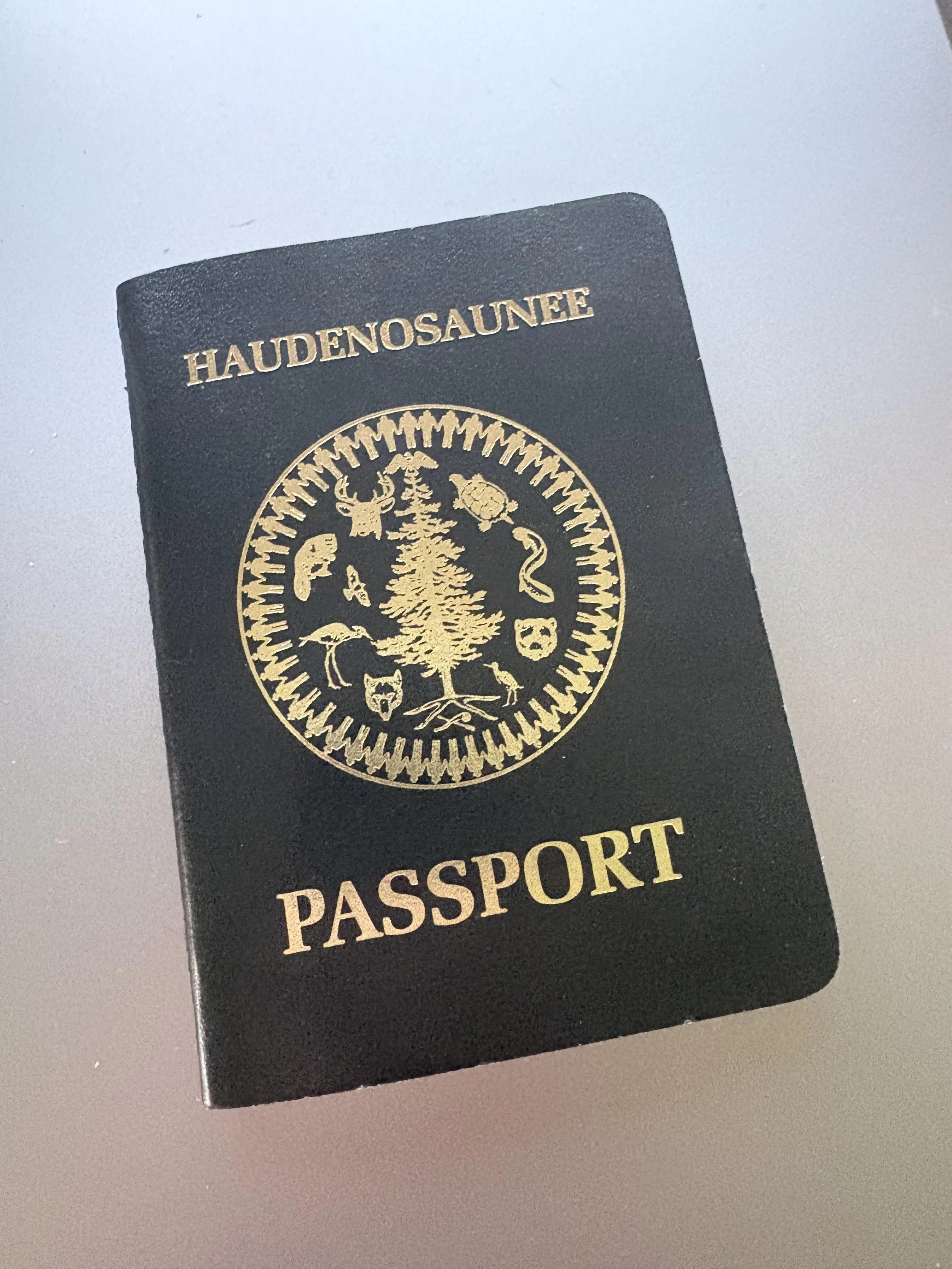
Photo Credit: HonGo David Robertson
It represents a nation that continues to exist according to its own traditions and responsibilities. Those responsibilities shape nearly every aspect of his worldview. Lyons frequently returned to the importance of Haudenosaunee teachings regarding stewardship of the natural world. Economic development, technological progress, and political decisions all carry consequences extending far beyond the present moment.
He worries about environmental degradation, unchecked development, and society's tendency to value immediate economic gain over long-term ecological health. The Haudenosaunee perspective, he explained, encourages people to recognize that humanity is not separate from nature but exists within it. Gardens, forests, lakes, and clean water are not simply resources. They are relationships that require care. That philosophy also informs his understanding of community.
Throughout the interview Lyons spoke warmly about mentors, fellow musicians, craftspeople, and family members who influenced his life. He recalled legendary stick maker Alfie Jacques and his father Louis Jacques with deep affection, describing relationships built through shared respect rather than celebrity.
He spoke proudly about his son Brook, an emerging musician who has developed his own following through online platforms. Rather than comparing generations, Lyons appreciates the different opportunities now available to young artists. Technology has changed how musicians build audiences, but creativity, discipline, and authenticity remain as essential as ever.
Walking through Lyons' home reinforced that impression. Guitars rested beside the walls and shelves of life mementos. Books shared space with recording equipment. Artwork created by his father hung nearby. Nothing appeared carefully staged. Instead, the house reflected a life actively being lived, a workshop as much as a residence.
Perhaps that is what makes Rex Lyons so compelling. He refuses to be defined by a single accomplishment. He is a musician whose understanding of music is strengthened by craftsmanship. A craftsman whose work reflects cultural tradition. A former professional athlete who views sport as cultural expression rather than competition alone. A son carrying forward a remarkable family legacy while creating one of his own.
Throughout our conversation there was no sense that Lyons separates these identities. They are simply different expressions of the same values: dedication, respect, curiosity, generosity, and responsibility.
Whether performing before an audience, shaping the neck of a handmade guitar, advocating for the Haudenosaunee Nationals, mentoring younger musicians, or tending a garden, Lyons approaches each task with the same quiet conviction. Meaningful work is measured not by recognition alone but by the care invested in the process and by what is ultimately passed on to the next generation.
In an era often defined by speed and distraction, Rex Lyons continues to build his life the same way a master luthier builds an instrument—patiently, thoughtfully, and with the understanding that lasting work is never hurried.
Afterword: A Visit to a Swedish Luthier
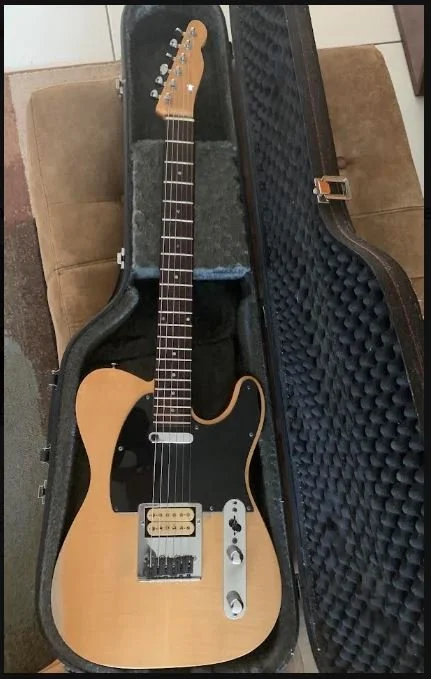
Photo Provided by Rex Lyons
Lyons recalled a trip to Sweden with his father for a Green Cross event in Gothenburg. While there, they visited a dear friend, Tonia Moya, a Green Cross official originally from Santa Fe, New Mexico, who had married Ulf Carlsson, a Swedish commercial cabinetmaker with an equally serious passion for building guitars. During their visit, Lyons noticed a guitar resting in the living room and asked if he could play it. He was immediately impressed. The instrument was exceptionally responsive, comfortable, and easy to play. There was no maker’s name on the headstock, so he asked where it came from. Ulf explained that he had built it himself, adding with a laugh, “I build ’em better than I play ’em.”
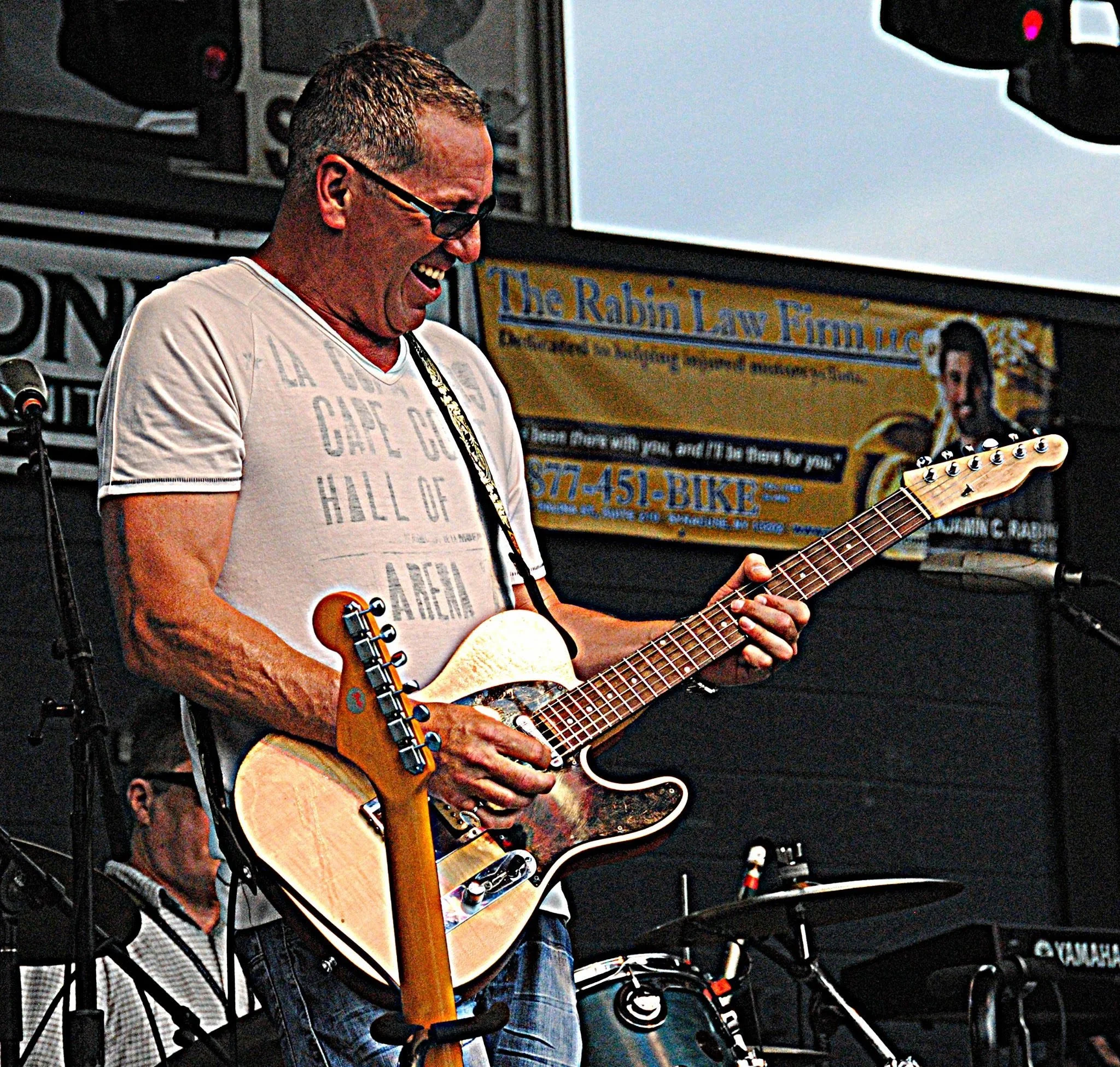
Photo Provided by Rex Lyons
Recognizing Lyons’s interest, Ulf offered to show him the guitar he was working on. Lyons jumped at the opportunity. The first thing that caught his attention was the workshop itself. Everything was clean, orderly, and carefully arranged. The organization of the space spoke volumes about Ulf’s approach to his craft, reflecting the precision, professionalism, and attention to detail that Lyons would come to appreciate in the work of a skilled luthier.
As Lyons looked around, he noticed guitars hanging on the walls, each at a different stage of completion. Ulf then brought out a cutaway archtop guitar he was working on, an instrument that represented a level of craftsmanship Lyons had never encountered up close. He examined it carefully, looking over its construction and running his hands along the wood. He could sense the character of the instrument beginning to emerge, the promise of a guitar that would soon have a voice of its own.
Ulf noticed Lyons’s enthusiasm and appreciation. Then he asked a question that would change the course of the visit: Would Lyons like to build a guitar of his own? Lyons didn’t hesitate. He had always carried an idea in his head of what he would build if he ever had the opportunity. He wanted a hybrid instrument, combining the substantial, dense body of a Gibson Les Paul with the familiar shape and feel of a Fender Telecaster. When he described the design to Ulf, the luthier pointed out that deciding what the instrument should become was one of the most difficult parts of the process. The vision, he explained, was where everything began.
And then they got to work. Over four days, putting in roughly seventeen hours each day, Lyons built his guitar under Ulf’s guidance. It became one of the greatest gifts he had ever received. Ulf supplied the hardware, raw materials, and, most importantly, his knowledge and experience. The guitar took shape with a mahogany body, a tiger-stripe maple top, a bird’s-eye maple neck, an Indian rosewood fretboard, and medium vintage nickel-silver frets. For electronics, they chose a vintage DiMarzio humbucker at the bridge and a vintage Telecaster lipstick pickup. Ulf refused to accept payment for the materials or his time. He simply gave Lyons everything he needed to make the instrument.
After the construction was complete, Lyons applied a coat of lacquer. Then came the moment of truth: plugging it in and hearing what they had made. Even with the best materials and careful workmanship, there are no guarantees when building an instrument. Lyons remembered the anticipation and the nerves as he prepared to hear the guitar for the first time. To his astonishment, it sounded incredible. Ulf was impressed, too, remarking that Lyons had managed to defy the odds. A first attempt does not often produce a home run, but this one had. Lyons said he wore a smile for months afterward.
Ulf’s generosity did not end with the guitar. He gave Lyons a case for it as well, leaving him overwhelmed by the kindness of the gesture and the good fortune of the entire experience. The instrument remains especially meaningful to him, not simply because he built it, but because of the friendship, generosity, and shared knowledge that went into it. It has also become part of his musical life, its sound appearing on several of the Ripcords’ CDs. Lyons and Ulf still keep in touch, and he continues to send his friend recordings from his latest studio projects. What began as a visit to a friend’s home in Sweden became an experience that gave Lyons a guitar, a new understanding of the craft, and a lasting connection with the man who helped bring his vision to life. As Lyons reflected, life has a way of taking you places you never expected.